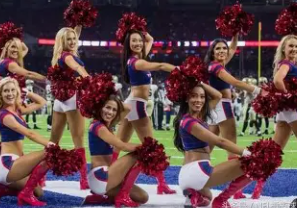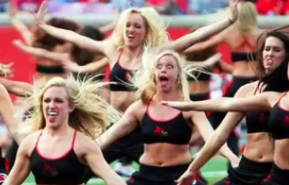
When most people think of cheerleading, they imagine sparkling uniforms, synchronized dance routines, and chants echoing across a packed stadium. They see the energy, the smiles, the spectacle, and the glamour. What they rarely consider, however, is the relentless discipline, the painstaking hours of practice, the physical strain, and the mental fortitude required to execute those seemingly effortless moves. Competitive cheerleading is a sport that blends the precision of gymnastics, the creativity of dance, and the raw power of athleticism into one cohesive performance. It is, in every sense, a sport of champions, yet one that has been historically underestimated and misunderstood.
The evolution of cheerleading into a competitive sport is a story of transformation, resilience, and innovation. Originating in the late 19th century at American universities, cheerleading was initially a male-dominated activity, aimed at rallying crowds for football games. By the mid-20th century, women began to take center stage, transforming the activity into a highly performative, physically demanding discipline. Over the decades, what began as chants and simple motions evolved into complex routines requiring acrobatics, tumbling, pyramids, and stunts. Today, teams compete in local, national, and international leagues, such as the National Cheerleaders Association (NCA), Universal Cheerleaders Association (UCA), and the International Cheer Union (ICU) World Championships. The sport has reached a level of athletic sophistication comparable to gymnastics or figure skating, demanding both body and mind to operate at peak levels.
The Structure of Training
The foundation of competitive cheerleading lies in training. Athletes often devote 25–35 hours per week to practice, combining strength training, conditioning, tumbling, stunting, choreography, and mental preparation. A high school flyer might wake up at 6:00 a.m. for an hour of core exercises and stretching, followed by a morning session of tumbling drills. Afternoon hours are often dedicated to stunts, pyramids, and choreography. Team cohesion, timing, and spatial awareness are stressed continually, as even the smallest miscalculation can result in injury.

Training begins with strength and conditioning. Athletes perform exercises targeting the legs, core, arms, and shoulders to develop the explosive power required for jumps, tosses, and lifts. Plyometric drills, such as box jumps, broad jumps, and squat jumps, are incorporated to improve vertical leap and agility. Handstands, planks, medicine ball throws, and resistance band exercises strengthen stabilizing muscles critical for stunt safety. Each exercise is carefully programmed to build both muscular endurance and coordination.
Tumbling and Acrobatics
Tumbling is perhaps the most physically demanding aspect of competitive cheerleading. Athletes must execute flips, twists, and handsprings with perfect form and landing precision. Training is systematic: a skill is broken into smaller components, practiced repetitively until mastered, and then incorporated into larger sequences.
For example, a back tuck may be taught in stages:
- Backward Roll – mastering the initial rotation safely.
- Jump and Tuck Position – learning to generate vertical lift while keeping the body compact.
- Spotter-Assisted Flip – introducing the aerial component with safety support.
- Independent Execution – performing the skill solo, with consistent height, rotation, and safe landing.
Advanced tumbling sequences may include double-back flips, whip backs, or full twists, often linked into continuous combinations requiring explosive power, flexibility, and endurance. The physical demands are high; repetitive strain can lead to overuse injuries, necessitating careful monitoring, physiotherapy, and cross-training for balance.
Stunts and Pyramids
Stunts are the visual centerpiece of competitive cheerleading, involving one or more flyers lifted or tossed by bases into the air. Multi-layer pyramids and intricate formations are executed with millisecond timing and coordination. Bases, flyers, and back spots must maintain perfect alignment, trust, and communication. Training for stunts is progressive:
- Two-person stunts: flyers perform lifts with one or two bases, practicing grips, tosses, and landings.
- Three- or four-person pyramids: require precise stacking, grip strength, and stability.
- Basket tosses and release moves: demand flawless timing and spatial awareness.
Each stunt is repeated dozens of times, with spotters ensuring safety. Even so, the risk of injury is ever-present, emphasizing the need for rigorous preparation, body control, and team cohesion.
Dance and Choreography
Dance routines in cheerleading integrate choreography with tumbling and stunts. Athletes must memorize sequences, maintain synchronicity, project expression, and maintain stamina. Routines are broken into 8-count sequences, with each move choreographed to music. Synchronization is critical; judges award points for uniformity, precision, and creativity. The mental challenge is significant—athletes must simultaneously recall moves, anticipate teammates’ actions, and manage the audience and performance energy.
Case Study: Emily, High School Flyer
Emily, 17, is the captain and flyer of her high school team. She trains 25 hours a week, juggling school, practice, and social life. Emily’s weekly routine includes early morning conditioning, tumbling drills, pyramid practices, and choreography sessions. She has learned to overcome fear and build trust with her bases, particularly when executing high tosses or complex flips. Emily’s story illustrates the combination of physical skill, mental resilience, and leadership that defines modern competitive cheerleaders.
Athlete Spotlight: Emily, High School Cheerleader
Age: 17 | Position: Team Captain / Flyer
Weekly Training: 25 hours | Specialty: Three-layer pyramid stunts, tumbling passes
Case Story: During a regional competition, Emily executed a flawless three-flip tumbling pass, but one team stunt failed due to a timing error. She reflected on the experience, adjusted her technique, and motivated her teammates, demonstrating both resilience and leadership.
Physical Demands and Injury Risk
Competitive cheerleading is a sport with measurable physical risk. Sprains, strains, fractures, and dislocations are common, particularly among flyers and bases. The sport demands not only strength and agility but also proprioception, reaction speed, and mental alertness. Athletes often undergo physiotherapy, preventive conditioning, and monitored recovery to minimize the risk of injury.
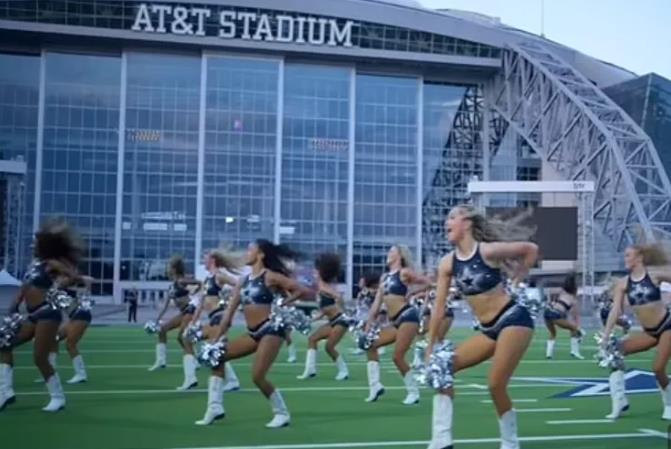
While high school athletes like Emily demonstrate the foundational skills and early leadership of competitive cheerleading, the intensity multiplies at the collegiate level. University programs demand not only exceptional physical ability but also strategic thinking, mental toughness, and adaptability. College teams often serve as pipelines to elite professional or national-level cheer squads, and their routines feature a complexity that challenges even seasoned athletes.
Collegiate Training Programs
At the university level, training schedules are grueling. Athletes may spend upwards of 30–35 hours per week in organized practice, supplemented with independent conditioning sessions. Their daily regimen often mirrors that of professional athletes:
- Morning Conditioning: Sprint intervals, core circuits, and agility drills sharpen physical readiness for demanding routines.
- Late Morning Tumbling and Acrobatics: Advanced tumbling passes, aerial flips, and combination skills are drilled meticulously. Video review is a constant component, with athletes studying playback to refine timing, height, and body alignment.
- Afternoon Stunt and Pyramid Sessions: Multi-layer pyramids, basket tosses, and stunt sequences are rehearsed repeatedly. Spotters, coaches, and team captains provide feedback, correcting minor errors that could jeopardize safety.
- Choreography Integration: Dance routines, tumbling passes, and stunts are blended into full-length performance sequences. Synchronization, musicality, and facial expression are emphasized.
- Evening Review and Mental Preparation: Team meetings cover performance strategy, psychological readiness, and injury prevention. Visualization techniques help athletes rehearse successful routines mentally, fostering confidence and reducing anxiety.
Case Study: Sarah, Collegiate Flyer
Sarah, 20, is a flyer on her university’s elite team. Her week consists of 30 hours of practice, including double backflips, whip backs, and intricate stunts. Last season, Sarah suffered an ankle sprain during a basket toss sequence. After careful rehabilitation and modified training, she returned to perform a flawless double backflip at the national championship. Her story demonstrates not only the physical demands of collegiate cheerleading but also the resilience and psychological fortitude required to recover from injury and maintain performance under pressure.
Psychological Demands and Team Dynamics
Competitive cheerleading is as much a mental game as a physical one. Flyers must overcome fear, particularly when attempting high-flying stunts or complex tumbling passes. Bases and back spots shoulder the responsibility of protecting teammates while executing precise lifts. Trust is paramount—one lapse can result in serious injury. Coaches employ trust-building exercises, psychological support, and mindfulness training to enhance team cohesion.
Stressors are compounded by academic responsibilities, social pressures, and public visibility through social media. Athletes must maintain focus amidst criticism, expectation, and the pressure to perform perfectly. The interplay of physical exertion and mental stress creates a unique environment requiring exceptional resilience.
Competitive Event Narratives
Competitions are where training, teamwork, and strategy converge. The environment is intense: judges scrutinize every movement, audience expectations run high, and teams perform under the pressure of national broadcast. Here are some illustrative scenarios:
- Regional Championships: Teams compete in multi-round events. Each round challenges athletes to execute increasingly difficult tumbling sequences, synchronized stunts, and choreographed dances. Points are awarded for technical precision, synchronization, creativity, and performance energy.
- National Competitions: The level of difficulty rises. Teams incorporate multi-layer pyramids, advanced tosses, and intricate tumbling passes. Mistakes are costly, and recovery from an error can determine whether a team wins gold or silver.
- International Showcases: Elite teams perform on the global stage, where performance standards are exceptionally high. Judges consider innovation, technical execution, and risk management, pushing athletes to demonstrate skill, composure, and artistry simultaneously.
Case Study: Rachel, Senior Elite Professional
Rachel, 22, transitioned from a collegiate flyer to a base on a Senior Elite Team. Her weekly training exceeds 35 hours, and she is responsible for leading complex pyramids, basket tosses, and choreography execution. Rachel has faced multiple injuries, including a torn ACL and recurring shoulder dislocations. Her recovery required surgery, physiotherapy, and a carefully monitored return-to-practice plan.
Despite setbacks, Rachel helped her team secure a national championship. Her story exemplifies the intersection of physical prowess, strategic thinking, mental resilience, and leadership. It also highlights the professionalization of competitive cheerleading and the career trajectory available to top athletes.
Injury and Rehabilitation in Depth
Injuries are common due to the high physical demands. Flyers often experience ankle sprains or wrist injuries, while bases may encounter shoulder or back strain. Recovery protocols combine physical therapy, targeted strength training, and rehabilitation exercises. Mental recovery is equally important; athletes often use visualization, meditation, and counseling to overcome fear of re-injury.
Common Injuries and Rehabilitation Methods
- Ankle Sprain: Rest, ice, compression, elevation, followed by proprioceptive training and gradual return to tumbling.
- Shoulder Dislocation: Surgical intervention if severe, physiotherapy, strengthening of rotator cuff, progressive load-bearing exercises.
- ACL Tear: Reconstruction surgery, intensive physiotherapy, balance training, mental readiness for return to stunts.
Historical and Cultural Context
Cheerleading is not uniform across Western countries. In the United States, it has become a competitive sport with deep roots in collegiate athletics. In Europe and Australia, cheerleading programs often integrate gymnastics clubs and focus on performance and entertainment aspects. The culture, training philosophies, and competition structures differ, influencing athlete development, skill priorities, and team dynamics. Understanding these regional variations provides insight into the broader evolution of the sport and highlights its global reach.
Social Media and Public Exposure
Social media has amplified cheerleading’s visibility. Platforms like TikTok, Instagram, and YouTube showcase routines to millions of viewers, increasing opportunities for sponsorships and professional engagements. However, the digital spotlight brings psychological challenges: scrutiny, cyberbullying, and the pressure to maintain perfection can affect athletes’ mental health. Athletes must learn to navigate public perception, balancing performance with personal well-being.
By the time athletes reach the upper echelons of competitive cheerleading, the complexity and intensity of routines have grown exponentially. High school and collegiate cheerleaders face advanced tumbling sequences and multi-tiered stunts; professional and elite senior teams push the limits of human strength, coordination, and creativity. These athletes perform maneuvers that combine aerial flips, synchronized formations, and precise choreography—all while maintaining expression, energy, and poise under intense scrutiny.
Advanced Tumbling and Stunt Analysis
At elite levels, tumbling passes may include multiple flips and twists, executed in rapid succession. Precision is paramount; a deviation of a few inches can lead to a failed routine or injury. Coaches emphasize incremental progression:
- Skill Decomposition: Breaking down each tumbling pass into micro-movements to ensure proper form.
- Spotting and Support: Using spotters initially for new or risky maneuvers to instill confidence and reduce injury risk.
- Endurance Integration: Combining tumbling sequences with stamina training to maintain performance throughout long routines.
Stunts in senior elite teams are equally sophisticated. Pyramid structures can reach four or more tiers, requiring exceptional strength from bases and impeccable balance from flyers. Basket tosses may include multiple rotations and twists before a precise landing. Execution requires not only athletic ability but mental focus, trust among teammates, and adaptability to changing conditions, such as uneven mats or external distractions.
Case Study: Alex, Senior Elite Base
Alex, 23, is a base on a senior elite team specializing in multi-layer pyramids and high-risk tosses. Training 35+ hours per week, Alex’s role demands explosive leg strength, precise timing, and unwavering concentration. During a national championship routine, a misalignment in the pyramid threatened a collapse. Alex instinctively adjusted his grip and stabilized the flyer mid-air, preventing injury and ensuring the team completed the routine flawlessly. This scenario exemplifies the combination of skill, intuition, and experience necessary at the elite level.
High School to Professional Progression
The transition from high school to collegiate and professional cheerleading involves both physical and psychological growth:
- Skill Expansion: Flyers and bases enhance technical complexity, integrating double or triple flips, twist sequences, and multi-layer pyramid coordination.
- Mental Toughness: Athletes face heightened performance pressure and must manage nerves, distractions, and critical evaluation by judges and audiences.
- Team Leadership: Seniors often mentor younger teammates, cultivating communication, teaching techniques, and fostering trust.
This progression illustrates that competitive cheerleading is as much about personal development and leadership as it is about physical ability.
Competition Strategy and Tactical Insights
Elite routines are not performed at random; coaches meticulously design them for scoring efficiency, visual impact, and risk management. A typical competition strategy may include:
- Opening Sequence: A high-energy tumbling pass to captivate judges and audiences.
- Mid-Routine Pyramid: Demonstrates balance, strength, and precision. Complexity must match risk tolerance to avoid deductions.
- Dance and Expression Section: Maintains energy while allowing brief recovery. Synchronization and creativity are evaluated.
- Final Stunt or Toss: Leaves a lasting impression, ideally a highly difficult maneuver executed flawlessly.
Athletes must anticipate judging criteria, adapt in real-time to unexpected issues, and maintain poise throughout.
Case Study: Mia, Collegiate Flyer and Social Media Influencer
Mia, 21, competes at the collegiate level while cultivating a significant social media following. Her daily schedule balances training, academics, and online content creation. During a national competition, Mia executed a series of tumbling passes combined with a triple twist basket toss. She documented her experience on Instagram, emphasizing both the physical demands and emotional highs of performance. Mia’s story illustrates the dual pressures of elite competition and public visibility, highlighting the modern cheerleader’s multifaceted responsibilities.

Injuries, Rehabilitation, and Recovery Psychology
High-level cheerleading has inherent injury risks. Flyers are vulnerable to ankle sprains, wrist fractures, and concussion, while bases often suffer shoulder dislocations, back strain, and finger injuries. Recovery protocols include:
- Immediate Care: Ice, compression, and rest in the event of acute injury.
- Physiotherapy: Strengthening exercises, flexibility work, and balance training.
- Gradual Skill Reintegration: Reintroducing tumbling passes and stunts incrementally under supervision.
- Mental Recovery: Visualization techniques, counseling, and confidence rebuilding are essential to prevent fear-related performance issues.
Rehabilitation Timeline for Common Cheerleading Injuries
- Ankle Sprain: 2–6 weeks of progressive mobility and strength training
- Shoulder Dislocation: 4–12 weeks including physiotherapy and gradual return to stunts
- ACL Reconstruction: 6–9 months including surgical recovery, strengthening, and skill reintegration
Expanding the Roster: Additional Athlete Stories
Jordan, Collegiate Base
Jordan, 19, specializes in multi-person lifts and pyramid stabilization. Balancing academics with a 28-hour weekly training schedule, he emphasizes precision and anticipatory adjustment during lifts. Jordan’s team relies on his consistency to reduce risk in high-stakes competition.
Lily, High School Flyer
Lily, 16, shows exceptional aerial control, frequently performing flips with minimal support. She overcame early-stage stage fright through repetitive practice and mindfulness training, illustrating how mental conditioning is as vital as physical preparation.
Sophia, Professional Flyer
Sophia, 24, competes internationally with a senior elite team. Her repertoire includes quad-twisting basket tosses and pyramid leadership. Injuries are frequent, but she credits disciplined recovery, team support, and psychological resilience for her sustained performance.
Social Media, Branding, and Career Pathways
Modern cheerleaders are not just athletes; they are public figures. Social media exposure creates opportunities for endorsements, coaching positions, choreography work, and even commercial modeling. Platforms like TikTok and Instagram allow routines to reach millions, but they introduce the pressure to maintain consistent performance quality and public persona.
Professional career pathways include:
- Coaching: High school, collegiate, or private training programs.
- Performance: Dance troupes, halftime shows, entertainment productions.
- Choreography and Judging: Designing routines, evaluating competitions, or consulting elite teams.
- Entrepreneurship: Launching cheer clinics, fitness programs, or social media brands.
These paths emphasize that competitive cheerleading is not only an athletic pursuit but a career opportunity with diverse professional trajectories.
Future Trends in Competitive Cheerleading
- Increased Globalization: International competitions and standardized rules are expanding beyond North America.
- Integration with Sports Science: Athlete conditioning is increasingly informed by biomechanics, physiology, and sports psychology.
- Technology in Training: Motion-capture systems, video analysis, and performance tracking help teams refine routines.
- Media and Entertainment Synergy: Streaming competitions and viral videos are enhancing visibility and professional opportunities.
The Hidden Athleticism Behind the Cheers
Competitive cheerleading is far more than its public image suggests. It is a sport demanding strength, agility, coordination, strategy, mental toughness, and teamwork. Athletes devote thousands of hours to mastering skills, enduring injuries, and developing resilience. The combination of high-risk maneuvers, precise choreography, and psychological preparation positions cheerleading as one of the most challenging and rewarding sports in the world.
From high school gyms to international championship stages, the journey of each cheerleader is a testament to dedication, grit, and artistry. Their stories—of perseverance, triumph, and resilience—reveal a hidden world of athleticism that transforms pom-poms and cheers into a display of extraordinary human capability.
About the Author