Cheerleading is a word that conjures up visions of pom-poms, high-flying stunts, and synchronized chants echoing through packed stadiums. For many, it’s the vibrant heartbeat of American sports culture, a spectacle of energy and athleticism that has graced football fields, basketball courts, and even global stages. Yet, behind the glittering routines and glitter-dusted uniforms lies a fascinating history, one that traces the transformation of cheerleading from a male-dominated sideline activity to a global phenomenon that blends athleticism, performance, and cultural significance.
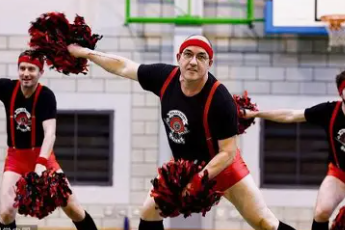
The story of cheerleading begins in the late 19th century, long before it became synonymous with female squads and televised competitions. The first organized cheer is often credited to the University of Minnesota, where in 1898, a young student named Johnny Campbell led a crowd in a coordinated chant of “Rah! Rah! Rah! Ski-U-Mah!” at a football game. At that time, the concept of “cheerleaders” was exclusively male, and the activity was more about rallying the crowd than performing acrobatic stunts. The early cheers were simple, designed to boost morale and generate enthusiasm for collegiate teams. These male pioneers laid the foundation for what would later evolve into a highly stylized performance art.
By the 1920s and 1930s, cheerleading began to attract female participants, especially as college sports expanded and societal norms around women in public life slowly shifted. Women started joining sideline routines, initially in supportive roles alongside male cheerleaders, often emphasizing dance and visual appeal rather than athletic feats. The growing presence of women coincided with the rise of American football as a cultural spectacle, particularly at colleges and universities where school spirit was both a social currency and a marketing tool for athletic programs. As cheerleaders became more visible, their routines incorporated elements of dance, rhythmic movement, and coordinated chants, setting the stage for the modern cheerleading format.
World War II brought a notable shift. With many young men drafted into military service, women stepped into roles previously reserved for men, including organized cheerleading squads. Female cheerleaders began to dominate the field, developing routines that combined athleticism with entertainment. This period also marked the beginning of regional cheerleading competitions, with teams demonstrating precision, coordination, and showmanship. The post-war era saw cheerleading solidify as a primarily female domain, though men remained involved, especially in stunting and acrobatics.
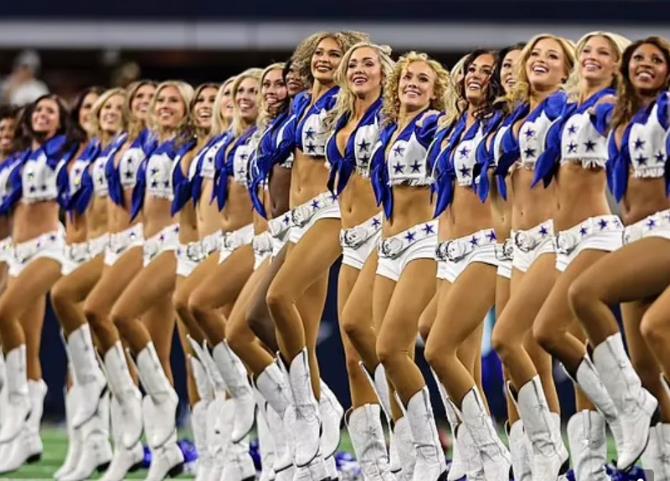
The explosion of mass media in the mid-20th century catapulted cheerleading into the public eye. Television broadcasts of college and professional sports brought cheerleaders into living rooms across America, turning them into recognizable cultural icons. NFL cheerleaders, in particular, became emblematic of the sport’s pageantry. Shows like The Super Bowl halftime performances showcased the athleticism, choreography, and visual appeal of professional squads, creating a template that would influence cheerleading around the world. Hollywood also contributed to the phenomenon. Films such as Bring It On and American Pie highlighted the blend of competition, humor, and teenage social dynamics inherent in cheerleading, cementing its place in popular culture.
As cheerleading gained momentum in the United States, it began to evolve beyond the sidelines. The latter half of the 20th century saw the rise of competitive cheerleading, where routines were judged on difficulty, precision, creativity, and athletic skill. Acrobatics, tumbling, pyramids, and stunts became central elements, transforming cheerleading into a rigorous sport in its own right. Organizations such as the Universal Cheerleaders Association (UCA), founded in 1974, played a pivotal role in standardizing rules, creating training programs, and hosting competitions that elevated the practice to a recognized athletic pursuit. By the 1980s and 1990s, cheerleading was no longer just about entertaining crowds—it was a competitive discipline with scholarships, national championships, and international events.
The globalization of cheerleading followed naturally from America’s cultural influence. By the late 20th century, cheerleading squads began emerging across Europe. In the United Kingdom, universities and high schools adopted cheerleading, often influenced by visits from American coaches and televised sports coverage. German cheerleading, known for its precision and technical stunts, flourished in part due to organized national competitions and strong support from sports clubs. France, similarly, integrated cheerleading into school and club sports, blending traditional gymnastics training with American-style routines. These European adaptations often emphasized athletic rigor and competitive structure while retaining the entertainment and spirit elements that defined the American model. Today, international cheerleading federations hold world championships, with teams from multiple continents competing in both performance and athletic categories, reflecting the sport’s global appeal.
One of the most fascinating aspects of modern cheerleading is its dual identity. On one hand, it is undeniably athletic. Elite squads train year-round, honing skills in tumbling, stunting, strength conditioning, and choreography. Injury rates, especially among competitive cheerleaders, rival those of gymnastics or contact sports. On the other hand, cheerleading is performative, inherently theatrical, and deeply tied to entertainment. This duality has sparked debate over whether cheerleading should be formally recognized as a sport or remain categorized as a performing art. In 2016, the International Olympic Committee provisionally recognized cheerleading, a step that validated its athleticism and competitive rigor while signaling broader acceptance in the global sporting community.
Social media and digital platforms have further amplified cheerleading’s reach and cultural impact. Platforms like TikTok and Instagram have allowed squads to share intricate routines, behind-the-scenes footage, and tutorials, creating a global community of enthusiasts. The Netflix documentary series Cheer offered an intimate look at the lives of competitive cheerleaders, highlighting both the physical demands and emotional dedication involved. It captured public imagination by portraying cheerleaders as athletes with complex narratives, challenges, and triumphs, moving beyond stereotypical portrayals of glamour and superficiality. These modern representations have not only increased public interest but also influenced younger generations to engage with cheerleading as both a sport and a form of self-expression.
Cheerleading’s influence is also seen in fashion, branding, and cultural symbolism. The iconic uniform, pom-poms, and megaphones have transcended the field, appearing in movies, music videos, and advertisements. Cheerleading terminology and imagery permeate language and media, from “cheer squad energy” in marketing campaigns to high-profile collaborations between sports franchises and fashion designers. This visibility reinforces cheerleading’s role as a cultural touchstone, bridging athleticism, performance, and identity.
In Europe, the American model has inspired local innovations. German teams, for example, have emphasized technical excellence, hosting competitions that prioritize complex pyramids, lifts, and acrobatic sequences. British squads often combine dance and cheerleading, producing hybrid performances that cater to both competitive and entertainment contexts. In France, cheerleading has intersected with gymnastics and dance, reflecting the country’s strong tradition in these disciplines. This cross-pollination highlights how a distinctly American practice has been adapted to fit local cultures while retaining its core elements of team spirit, energy, and spectacle.
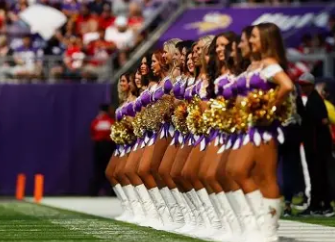
Despite its popularity, cheerleading has not been without controversy. Critics have long debated issues of safety, sexualization, and gender representation. While competitive cheerleading demands extraordinary athletic ability, some argue that media portrayals continue to emphasize appearance over skill. Injury risks, particularly from stunts and tumbling, have prompted calls for stricter safety protocols, especially for youth participants. Meanwhile, discussions around inclusion have emerged, challenging stereotypes and encouraging male participation, LGBTQ+ representation, and accessibility across socioeconomic backgrounds. These debates reflect the ongoing negotiation of cheerleading’s identity in modern society, balancing entertainment, athleticism, and cultural symbolism.
The evolution of cheerleading also mirrors broader social trends. Its rise among women during World War II paralleled shifts in gender roles and public visibility. The prominence of cheerleaders in media and advertising reflects commercial and pop cultural dynamics, while the increasing athletic rigor corresponds with society’s growing appreciation for high-performance sports. In a sense, cheerleading serves as a cultural barometer, capturing changing attitudes toward gender, performance, and public spectacle.
Today, cheerleading continues to innovate. Emerging styles incorporate contemporary dance, hip-hop, and acrobatics, while international competitions push the boundaries of athletic creativity. Technology has further expanded possibilities: motion analysis, digital choreography tools, and online tutorials allow squads to refine techniques and share knowledge globally. These advancements ensure that cheerleading remains dynamic, challenging, and culturally relevant.
Looking forward, cheerleading’s trajectory suggests continued growth and diversification. As it gains recognition in competitive sports arenas, expands internationally, and embraces digital platforms, it will likely redefine public perceptions of what it means to be a cheerleader. The glittering uniforms, synchronized chants, and daring stunts may remain the visual icons, but the underlying narrative has evolved: cheerleading is a testament to dedication, athleticism, and cultural resonance. From its humble beginnings on American college sidelines to global stages across Europe and beyond, cheerleading exemplifies how a spirited tradition can transform into a worldwide phenomenon, bridging sport, performance, and popular culture.
In conclusion, cheerleading is far more than a sideline spectacle—it is an evolving cultural institution. Its journey from male-led chants in late 19th-century American colleges to competitive global stages illustrates not only the sport’s adaptability but also its capacity to reflect societal changes, entertain audiences, and inspire participants. As the world continues to embrace the energy, athleticism, and creativity inherent in cheerleading, it is clear that this once humble sideline activity has stepped into the spotlight, claiming a permanent place in both American and international cultural consciousness.
About the Author