The Ultimate ‘90s Nostalgia Guide: TV, Music, Games, Fashion, and Pop Culture That Shaped a Generation
Remember the days when dial-up internet was the norm, Tamagotchis were our constant pocket companions, and Saturday morning cartoons ruled our weekends? The 1990s weren’t just another decade—they were a cultural explosion, blending unforgettable music, groundbreaking technology, fashion statements, and iconic television shows that left an indelible mark on an entire generation. Whether you grew up singing along to the Spice Girls, racing friends in Mario Kart, or quoting lines from Friends, the ‘90s had a unique energy that shaped the childhoods and teen years of millions of people across the United States and Europe.
The magic of the ‘90s lay in its diversity. Music ranges from grunge and rock to hip-hop and pop, television shows redefined humor and friendship, while movies introduced both technological marvels and storytelling innovations. Gaming evolved from simple 8-bit consoles to immersive experiences on systems like the Nintendo 64 and the original PlayStation. Fashion, too, was an eclectic mix of trends—from baggy jeans and crop tops to chokers and butterfly clips. And for those who lived through it, even the small details—dial-up tones, walkmans, floppy disks, and Saturday morning cereal rituals—evoke a deep sense of nostalgia.
This guide will take you on a journey back through the decade, exploring everything from iconic TV shows and movies to music that dominated the charts, from classic games to memorable toys, and from fashion trends to significant cultural events. By revisiting these moments, we’ll not only remember the fun and chaos of the ‘90s but also understand why this decade continues to influence culture today.
TV Shows That Defined the ‘90s
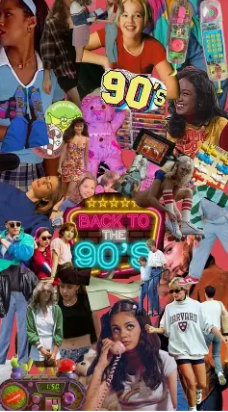
Television in the ‘90s was more than entertainment—it was a cultural touchstone. Shows like Friends, The Fresh Prince of Bel-Air, and Beverly Hills, 90210 shaped teen identities, fashion choices, and even the way we talk. Catchphrases such as Joey’s “How you doin’?” or Carlton’s legendary dance on The Fresh Prince remain instantly recognizable decades later.
Friends debuted in 1994 and quickly became a defining series for young adults. Its combination of relatable humor, romantic tension, and memorable characters made it a cultural phenomenon. Fans didn’t just watch the show—they quoted it, wore the fashion inspired by Rachel and Monica, and even planned vacations around iconic filming locations. Similarly, Beverly Hills, 90210 offered drama, romance, and social commentary for teenagers navigating high school life. Characters like Brenda, Dylan, and Kelly became style icons, influencing fashion trends with oversized sweaters, denim jackets, and scrunchies.
Meanwhile, Buffy the Vampire Slayer redefined female protagonists on television. Buffy was strong, witty, and resourceful, demonstrating that teenage girls could be heroes, not just supporting characters. Shows like Saved by the Bell entertained younger viewers with humorous school-based antics while subtly exploring issues like friendship, competition, and growing up.
TV in the ‘90s wasn’t just about scripted shows—it included a variety of formats that captivated audiences. Saturday morning cartoons, such as Rugrats, Doug, and Animaniacs, brought imagination to life for children everywhere. Variety shows and late-night talk shows also thrived, giving rise to personalities who became household names. Even game shows like Legends of the Hidden Temple and Double Dare provided unforgettable experiences, blending fun, competition, and a touch of chaos that defined childhood weekends.
Movies and Animated Classics
The ‘90s were a golden era for movies, from groundbreaking blockbusters to beloved animated classics. Steven Spielberg’s Jurassic Park (1993) wowed audiences with its lifelike dinosaurs and revolutionary special effects. It wasn’t just a movie—it was a spectacle that made science fiction and adventure films more immersive than ever. Similarly, The Matrix (1999) introduced mind-bending concepts, pioneering special effects like bullet-time, and influencing decades of science fiction storytelling.
Animation also thrived in the ‘90s, especially with the Disney Renaissance. Films like The Lion King, Beauty and the Beast, and Aladdin combined stunning animation, memorable music, and compelling storytelling. These films weren’t just for kids—they appealed to all ages, and the songs became cultural touchstones. “Circle of Life” and “A Whole New World” are instantly recognizable even today.
Beyond Disney, animated TV shows captured the hearts of young audiences. SpongeBob SquarePants premiered in the late ‘90s, introducing a brand of humor that would dominate cartoon culture for decades. Pokemon ignited a global phenomenon, combining collectible cards, video games, and a TV show that turned creatures like Pikachu into icons. Other shows, like Dragon Ball Z, Rugrats, and Doug, contributed to a landscape where animated series could be both entertaining and emotionally resonant.
Music That Shaped the Decade
Music in the ‘90s was as diverse as it was transformative. Pop ruled the charts with acts like the Backstreet Boys, NSYNC, Britney Spears, and the Spice Girls. Hits like …Baby One More Time and Wannabe weren’t just songs—they were cultural events, with fashion, dance moves, and music videos that defined youth culture.
Rock and grunge emerged as a counterpoint, with bands like Nirvana, Pearl Jam, and Soundgarden expressing the angst and rebellious spirit of the era. Kurt Cobain’s raw lyrics and distinctive voice epitomized the grunge movement, influencing music and fashion alike. Hip-hop and rap also surged into mainstream consciousness, with icons like Tupac Shakur, Notorious B.I.G., and Dr. Dre bringing social commentary, innovative beats, and a new cultural language to the masses.
MTV played a central role in promoting music, shaping public taste, and creating shared experiences. Programs like TRL (Total Request Live) allowed fans to vote for their favorite songs, see music videos, and watch live interviews. The channel transformed music consumption into a visual, interactive culture, cementing the decade’s legacy in both audio and visual storytelling.
Gaming and Technology
For many, the ‘90s were the golden age of gaming. Consoles like the Nintendo 64, Game Boy, and PlayStation brought immersive experiences into homes. Games like Super Mario 64, The Legend of Zelda: Ocarina of Time, The Sims, and Pokemon became cultural milestones, inspiring generations of players and future game designers.
The decade also marked the rise of personal technology. Dial-up internet, AOL chat rooms, and early social platforms like ICQ and MSN Messenger introduced people to online communication. Gadgets like Tamagotchis, Game Boys, Walkmans, and Nokia 3310 phones became status symbols and daily companions, merging play with technology in unprecedented ways.
Gaming competitions and fan communities flourished. People gathered to trade tips, compete in tournaments, and discuss their favorite titles. Even today, references to classic games evoke nostalgia, showing how the ‘90s created enduring connections through technology and shared experiences.
Movies and Animated Classics (Extended)
While Jurassic Park and The Matrix captured global attention, the ‘90s were also a decade of experimental filmmaking and genre-blending. Teen dramas like Clueless (1995) brought fashion and social commentary to the forefront, while Fight Club (1999) explored darker, subversive themes that reflected the era’s anxieties. Romantic comedies, such as Notting Hill and 10 Things I Hate About You, provided a mix of humor, charm, and heart, resonating with young audiences worldwide. Each film became more than entertainment—it shaped conversations, influenced style, and left lasting impressions on pop culture.
Animation, meanwhile, reached unprecedented levels of creativity. Disney’s Renaissance era introduced stories with strong moral cores, complex characters, and unforgettable music. The Lion King told a universal story of loss, growth, and redemption, while Beauty and the Beast challenged perceptions of love and acceptance. Aladdin and Mulan introduced audiences to different cultures, blending adventure with memorable melodies. These films weren’t just popular—they became touchstones for childhood, with lyrics and scenes still recalled decades later.
Television animation also flourished. Pokemon, which debuted in the late ‘90s, wasn’t merely a show; it became a cultural phenomenon. Children collected cards, traded game cartridges, and attended tournaments, while Pikachu emerged as one of the most recognizable characters worldwide. Shows like Dragon Ball Z captivated young viewers with epic story arcs and high-stakes battles, while Rugrats and Doug offered humor and life lessons for younger audiences. Even SpongeBob SquarePants, which began its run in 1999, became an enduring icon of quirky humor that has remained relevant across generations.
The ‘90s also saw the rise of independent films that explored new voices and storytelling methods. Filmmakers like Quentin Tarantino (Pulp Fiction, 1994) and Kevin Smith (Clerks, 1994) brought raw, dialogue-driven stories to cinemas, appealing to niche audiences and redefining indie film culture. These movies, while not always mainstream blockbusters, influenced trends in filmmaking and storytelling that persist today.
Music That Shaped the Decade (Extended)
The 1990s were a turning point for music, characterized by genre diversity and a blending of cultural influences. Pop music dominated with acts like the Backstreet Boys, NSYNC, Britney Spears, and the Spice Girls. Their music videos were a visual spectacle, while their songs dominated radio charts, shaping the soundtrack of the decade. Teen idols became global icons, with fashion, hairstyles, and dance moves widely imitated by fans.
Grunge music, spearheaded by Nirvana and Pearl Jam, provided an alternative to the polished pop world. Kurt Cobain’s raw lyrics captured the frustrations of a generation, while flannel shirts, ripped jeans, and unkempt hairstyles became a rebellious fashion statement. Bands like Soundgarden, Alice in Chains, and Smashing Pumpkins added depth and variety to the rock scene, creating a rich tapestry of sounds that defined youth identity.
Hip-hop rose to mainstream prominence during the ‘90s, with artists like Tupac Shakur, Notorious B.I.G., Dr. Dre, and Snoop Dogg leading the charge. Their music often reflected societal struggles, personal stories, and cultural commentary, combining lyrical skill with innovative production. The West Coast vs. East Coast rivalry, while tragic at times, cemented the decade’s hip-hop legacy. Meanwhile, female artists like TLC, Lauryn Hill, and Missy Elliott pushed boundaries and expanded the genre’s reach, influencing generations of listeners.
The influence of MTV cannot be overstated. Music videos became as important as the songs themselves, and shows like Total Request Live (TRL) allowed fans to vote for their favorite videos, creating a sense of community and shared experience. Live performances, interviews, and behind-the-scenes content gave fans access to their idols in ways that were previously unimaginable. The visual component of music in the ‘90s transformed the industry, making it a multi-sensory experience that left lasting impressions.
Gaming and Technology (Extended)
The ‘90s were a golden era for gaming, blending innovation with accessibility. Consoles like the Nintendo 64, PlayStation, and Sega Genesis provided immersive experiences that were groundbreaking for the time. Super Mario 64, with its 3D open-world design, set a new standard for platformers. The Legend of Zelda: Ocarina of Time combined epic storytelling with intricate gameplay, creating experiences that still influence modern game design.
PC gaming also flourished. Titles like The Sims, Diablo, and Warcraft II introduced complex mechanics, multiplayer functionality, and customization options. These games encouraged creativity and social interaction, whether through LAN parties or online forums. The release of Pokemon Red and Blue ignited a global craze, combining strategic gameplay, collection, and trading into a unified experience that captivated millions.
Technology extended beyond gaming. The rise of personal computers and the early internet transformed communication and entertainment. AOL chat rooms, ICQ, and MSN Messenger introduced instant messaging, connecting friends and strangers in real-time. Dial-up internet, with its distinctive tone, was a ritual in itself—patience was a necessity, but the reward was a gateway to a new digital frontier.
Electronic gadgets became a part of everyday life. Tamagotchis required care and attention, Walkmans provided personalized music experiences, and Nokia 3310 phones became iconic for their durability and simple design. Even now, the tactile memories of pressing buttons, inserting cartridges, and navigating menus evoke strong nostalgia.
Toys and Collectibles
No discussion of the ‘90s would be complete without mentioning the toys and collectibles that defined childhood. From the whimsical to the bizarre, the decade’s toys left a lasting impression on an entire generation.
Beanie Babies exploded in popularity during the mid-90s. These small, plush animals became a phenomenon, with collectors hunting rare editions and limited releases. What began as simple toys turned into a speculative craze, with some rare Beanie Babies reportedly fetching hundreds or even thousands of dollars on secondary markets. Kids and adults alike would eagerly trade their Beanies, treating each plushie as a tiny treasure.
Polly Pocket, on the other hand, offered a miniature, portable world for imaginative play. The tiny dolls, compact playsets, and themed scenarios allowed children to create endless stories, stimulating creativity and storytelling skills. Similarly, Furbies, released in 1998, introduced interactive play through robotic features, speaking in “Furbish” and learning words over time, captivating children with a unique blend of toy and technology.
Pokemon cards and games became a global craze. Children and teens collected cards, competed in trading battles, and followed the television show religiously. Pikachu and other pocket monsters quickly became iconic symbols of the decade, with the franchise extending to video games, movies, and merchandise. The combination of collectible cards and interactive gaming created a layered experience, engaging both young minds and broader communities.
These toys weren’t merely for entertainment—they created social rituals. Kids met at playgrounds, schoolyards, and local stores to trade, compete, and discuss their collections. Even decades later, the ‘90s toy culture continues to influence modern collectibles, inspiring retro editions, re-releases, and adult nostalgia markets.
Fashion and Lifestyle
Fashion in the ‘90s was eclectic, expressive, and often experimental. It was a decade where self-expression through clothing became a mainstream phenomenon. Teenagers and young adults embraced trends that ranged from casual streetwear to grunge-inspired looks, reflecting the diverse music and cultural scenes of the era.
Clothing trends included baggy jeans, overalls, cargo pants, and crop tops. Baggy jeans, influenced by hip-hop culture, became a wardrobe staple for both boys and girls. Overalls offered a playful, practical style, while crop tops and high-waisted jeans accentuated the carefree, youthful aesthetic of the decade. Tracksuits, particularly those from brands like Adidas and Nike, bridged fashion and functionality, making sporty looks universally trendy.
Accessories were equally iconic. Chokers, scrunchies, slap bracelets, bucket hats, and platform shoes allowed young people to personalize their style. Hair trends included butterfly clips, brightly colored highlights, and middle-part hairstyles, which were popularized by celebrities and television stars. Fashion became an essential form of self-expression, enabling kids and teens to visually declare their identity, affiliations, and subcultures.
Lifestyle trends also shaped the era. Hanging out at shopping malls, skate parks, or local arcades was a typical social ritual. Music and fashion influenced each other, creating a feedback loop where trends from MTV music videos often appeared in classrooms and street corners. Even mundane details, like collecting stickers, posters, or wearing band T-shirts, contributed to the distinct visual identity of the decade.
Social Trends and Major Events
The 1990s weren’t only about entertainment—they were also a decade of cultural, political, and technological milestones that left lasting impressions.
Sports highlights such as the 1992 Barcelona Olympics and the 1994 FIFA World Cup captured global attention. The Barcelona Olympics were notable for the debut of the “Dream Team” in basketball, bringing NBA stars like Michael Jordan and Magic Johnson to the international stage. Soccer fans vividly remember Brazil’s 1994 World Cup victory and the emerging stars who would shape football for decades.
Major news events defined public consciousness. The O.J. Simpson trial in 1995 became a media spectacle, blending celebrity culture, crime, and courtroom drama. President Bill Clinton’s impeachment in 1998 sparked debates about politics and morality, often covered intensely by 24-hour news networks. These events reflected both the anxieties and the fascination of the decade, influencing how the media covered public figures and shaping conversations for years.
Technological milestones also left a permanent mark. The spread of personal computers, dial-up internet, and early mobile phones transformed everyday life. Email, instant messaging platforms like ICQ and MSN Messenger, and early websites created a new digital social fabric. Even the Y2K scare at the decade’s end became a cultural touchstone, blending fear, humor, and technological awareness.
Through all of these trends, the 1990s fostered a sense of possibility and transformation. People were learning to navigate a rapidly changing world while balancing traditional cultural markers with emerging global influences.
Why ‘90s Nostalgia Endures
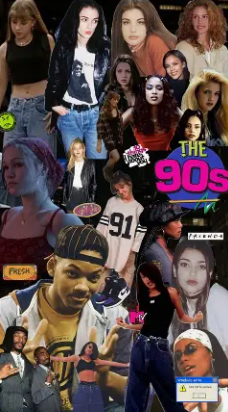
Today, the 1990s continue to influence fashion, music, media, and lifestyle choices. Pop culture references from the decade appear in modern TV shows, movies, and social media trends. Retro clothing, vinyl records, and rebooted television shows and games allow new generations to experience the decade’s unique charm, while older generations relive their formative years.
Nostalgia is powerful because it connects people to shared experiences. Whether it’s listening to a Backstreet Boys hit, replaying a classic Nintendo game, or rewatching Friends for the fifth time, the ‘90s remain a cultural anchor for a generation. Social media platforms like Instagram, TikTok, and YouTube also play a role, spreading ‘90s memes, music remixes, and fashion trends to global audiences.
Ultimately, the ‘90s are more than a decade—they are a cultural memory, a shared experience that continues to influence our collective identity. The music, movies, games, toys, fashion, and major events of this era shaped not only those who lived through it but also the cultural landscape that followed.
The 1990s were a decade of diversity, innovation, and unforgettable moments. From television shows and movies to music, games, fashion, toys, and social trends, this era crafted a rich cultural tapestry that continues to captivate hearts today. Revisiting the decade is more than an exercise in nostalgia—it’s a reminder of how culture evolves, how childhood memories shape adulthood, and how shared experiences can transcend time.
So, what’s your favorite ‘90s memory? Whether it’s a song, a movie, a game, or even a toy you couldn’t live without, the ‘90s live on in our memories—and for many of us, they will always feel just a little magical.
Iconic Video Games and Esports Culture
While video games were already popular in the early ‘90s, the decade saw an explosion of titles and genres that would leave a lasting mark. Street Fighter II and Mortal Kombat defined competitive arcade culture, drawing teenagers and young adults to malls and arcades for intense face-to-face battles. The thrill of performing the perfect combo or executing a finishing move became a badge of honor among friends. These games not only entertained but also fostered social interaction, forming communities around shared passions.
Home consoles like the Nintendo 64, PlayStation, and Sega Genesis brought epic adventures into living rooms. Super Mario 64 introduced a fully 3D world, revolutionizing platformers, while The Legend of Zelda: Ocarina of Time set new standards for storytelling and gameplay. On the PC side, games like The Sims, Diablo, and Warcraft II encouraged creativity, strategy, and competition. Children and teens spent hours building virtual lives, conquering dungeons, and trading tips at school or online.
The late ‘90s also witnessed the earliest forms of esports culture. LAN parties, small-scale tournaments, and online forums became spaces where players could connect, compete, and showcase their skills. Titles like Quake and Starcraft laid the groundwork for professional gaming, creating communities that are still active today. Beyond entertainment, these games cultivated problem-solving, teamwork, and strategic thinking, demonstrating that video games could be both fun and intellectually engaging.
TV Commercials and Advertisements
The ‘90s had a distinctive advertising style that was impossible to ignore, particularly for children and teens. Bright colors, catchy jingles, and over-the-top characters defined commercials of the era.
Brands like Cheetos, Pepsi, and Coca-Cola used humor and pop culture references to create unforgettable campaigns. Snack commercials often featured cartoon mascots or playful scenarios, making the products memorable long after the ad ended. For toys like Tamagotchi and Pokemon, commercials were more than product promotion—they became cultural events. Kids watched commercials repeatedly, memorizing every feature and racing to get the newest releases.
Television advertising in the ‘90s also reflected broader cultural trends. Some ads captured the emerging teen identity, blending fashion, music, and humor into short narratives that resonated with youth. Collecting toys or snacks sometimes became a social activity, as peers compared which editions or flavors they had. In many ways, commercials helped shape the cultural memory of the decade, leaving visual and auditory cues that instantly evoke the ‘90s today.
Movies That Shaped Teen Culture
Beyond blockbuster films, the ‘90s were rich with movies that defined teen culture. Clueless (1995) reimagined Jane Austen’s Emma, blending humor with fashion and modern high school life. Cher Horowitz’s outfits, slang, and social savvy became aspirational benchmarks for teenagers. Similarly, 10 Things I Hate About You (1999) offered a witty, modern take on Shakespeare, capturing the awkwardness, humor, and romance of high school experiences.
Family-friendly films like The Sandlot (1993) celebrated friendship, summer adventures, and baseball, painting a picture of idyllic American childhood. Coming-of-age films such as Now and Then and American Pie explored adolescent identity, relationships, and humor with a relatable authenticity. These movies weren’t just entertainment—they shaped teenage behavior, fashion choices, and social interactions. Quotable lines, memorable scenes, and iconic soundtracks have allowed these films to remain relevant decades later.
Memorable ‘90s Slang and Language
Language is a powerful cultural marker, and the ‘90s were filled with slang that captured the spirit of youth. Popular expressions like “As if!” (Clueless), “Whatever!”, and “Talk to the hand!” became part of everyday conversation. Phrases like “All that and a bag of chips” or “Booyah!” carried playful energy, often mimicked by kids in schools and playgrounds.
The emergence of the early internet introduced another layer of language. Chatrooms and instant messaging platforms like AOL and ICQ popularized abbreviations such as LOL, BRB, and AFK. These shorthand phrases not only saved time but also fostered a unique online culture, setting the stage for the emojis, memes, and digital slang that dominate today. For many, remembering these words evokes a vivid sense of nostalgia, instantly transporting them back to teenage bedrooms, computer labs, and playground conversations.
Food and Snacks Culture
No ‘90s childhood is complete without recalling the snacks and treats that defined the decade. The shelves of grocery stores were filled with colorful, imaginative products designed to delight kids and teens. Dunkaroos, with their playful dip-and-cookie combination, became an after-school staple. Gushers and Fruit by the Foot offered fruity, chewy fun, often accompanied by brightly colored packaging that demanded attention.
Lunch routines were also transformed by Lunchables, pre-packaged mini meals that encouraged creativity in assembling sandwiches, crackers, and snacks. Beverages like Capri Sun and Surge offered sweet, fizzy refreshments that became part of everyday rituals. Fast-food culture also thrived, with McDonald’s Happy Meals offering toys alongside meals, blending dining with play.
These foods weren’t just snacks—they were social currency, conversation starters, and part of a shared generational experience. Many adults today recall the tastes and packaging vividly, proving how food can become an integral part of nostalgia.
Internet and Early Digital Culture
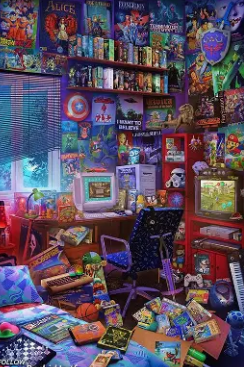
The internet arrived in the ‘90s as a transformative force, changing how people interacted, entertained themselves, and shared information. Early websites like GeoCities and Angelfire allowed users to build personal pages, experiment with design, and express themselves online. Forums and chatrooms became gathering spaces for enthusiasts of all kinds—from gaming communities to fan clubs.
Instant messaging platforms like MSN Messenger and ICQ introduced new ways of socializing. Typing in all caps, sending winks and emoticons, and using creative screen names became daily rituals. These early interactions created digital friendships, long before social media existed. Even the iconic dial-up internet sound carries a strong nostalgia for those who remember waiting for pages to load with patience and anticipation.
The ‘90s digital culture laid the groundwork for today’s internet-driven world. Blogs, fan sites, and early online games nurtured creativity, collaboration, and community, creating experiences that were simultaneously personal and shared on a global scale.