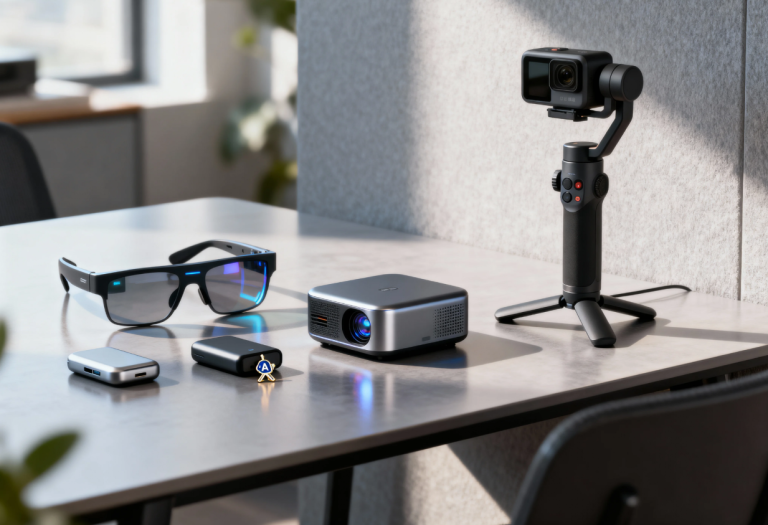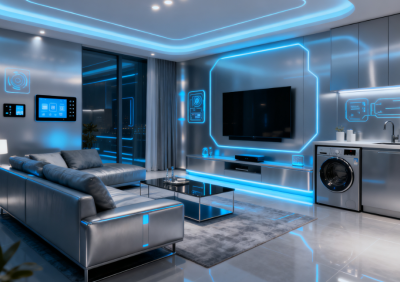
The smart home industry has seen exponential growth over the past decade. From intelligent lighting and thermostats to security systems and home assistants, devices are increasingly common in households across Europe and the United States. Yet, despite this growth, one persistent challenge remains: interoperability. Many devices, even from reputable brands, have historically struggled to communicate effectively with one another. This is where Matter and Thread come into play, promising to standardize the smart home experience and streamline communication across devices.
Matter is an application layer protocol developed under the Connectivity Standards Alliance (CSA), backed by major players such as Google, Apple, Amazon, and Samsung. Its primary goal is to create a unified language for smart home devices, enabling seamless cross-brand integration. Matter operates over multiple transport protocols including Wi-Fi, Ethernet, and Thread, making it versatile for a wide range of devices. By addressing the fragmentation issue, Matter allows consumers to mix and match products without worrying about compatibility issues.
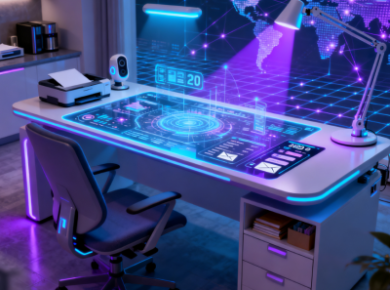
Thread, in contrast, operates at the network layer. It is a low-power, mesh-based protocol designed to ensure stable and reliable communication between devices. Developed initially by Google and Nest Labs, Thread’s mesh network architecture enables each device to act as a node, extending connectivity across rooms and floors. With low energy consumption and support for IPv6 addressing, Thread allows large numbers of devices to operate efficiently in a single network. Many Matter devices actually rely on Thread as their communication backbone, which means the two standards complement rather than compete with each other.
To put it simply, Matter is the “language” that devices use to understand each other, while Thread is the “road network” over which these devices communicate. Without Thread, Matter-enabled devices could struggle to maintain reliable connections in larger homes or areas with multiple walls and obstacles. Understanding this layered relationship is essential for consumers seeking a robust smart home ecosystem.
| Feature | Matter | Thread |
|---|---|---|
| Protocol Type | Application Layer | Network Layer |
| Primary Use | Cross-device compatibility | Reliable low-power communication |
| Major Backers | Google, Apple, Amazon, Samsung | Apple, Nanoleaf, Nordic, NXP |
Real-world adoption illustrates this complementary dynamic. The Apple HomePod Mini, for example, supports Matter over Thread, allowing users to control a wide array of devices seamlessly across different brands. Google Nest Hub devices integrate both standards to ensure reliable connectivity and compatibility. Lighting products like Nanoleaf Essentials Bulbs and Lightstrips leverage Thread for low-latency communication while relying on Matter to maintain ecosystem compatibility.
Adoption patterns differ across regions. In the United States, around 43% of households are projected to have at least one Matter-compatible device by the end of 2025. Amazon and Google ecosystems largely drive this trend, offering a wide selection of compatible products. Europe shows slightly lower adoption rates, approximately 30%, with Thread networks being particularly favored in Northern Europe due to energy efficiency considerations and stricter privacy norms.
Device Compatibility Breakdown
Approximate 2025 projection of smart home device support:
- Matter-only devices: 45%
- Thread-only devices: 20%
- Matter + Thread devices: 35%
Looking forward, Matter and Thread are expected to coexist symbiotically. Matter will dominate as the universal application standard, ensuring devices from different brands work together effortlessly. Thread will provide the underlying connectivity, maintaining reliable communication without consuming significant power. Most users may never notice Thread’s presence, yet it will be a critical component ensuring a smooth smart home experience.
“The real winner of the smart home war won’t be the protocol—it’ll be the ecosystem that makes users forget which one they’re using.”
— Tech Analyst, Digital Europe Summit 2025
For consumers planning their 2025 smart home upgrades, it is advisable to prioritize devices that support both Matter and Thread. Checking compatibility with ecosystems like Apple HomeKit, Google Home, or Amazon Alexa ensures a seamless experience. Mesh-capable Thread devices are particularly useful for larger homes, enhancing coverage and reducing latency. Keeping firmware updated is also important, as manufacturers will continue to roll out Matter support through software updates for existing products.
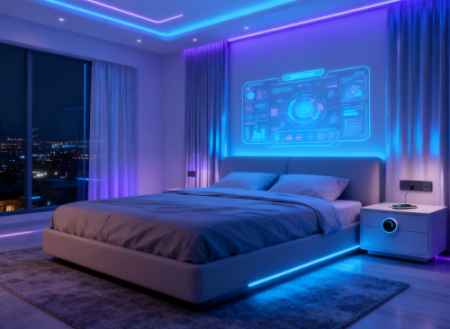
In conclusion, Matter and Thread together represent the next generation of smart home technology. Matter provides the universal language, while Thread ensures stable, low-power connectivity. By understanding these standards, consumers can make informed choices, creating a future-proof, interoperable, and efficient smart home environment.
About the Author