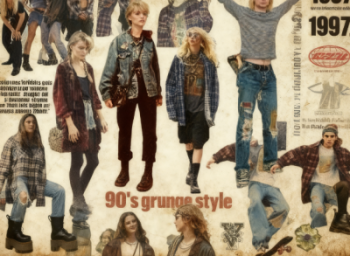
The 1990s have returned to the spotlight—not just as a cultural memory, but as one of the most profitable eras to reimagine. Across the luxury fashion market, from Paris to Los Angeles, the rebirth of denim jackets, leather blazers, slip dresses, and oversized streetwear represents more than nostalgia; it’s a multibillion-dollar revival of a generation’s aesthetic. In the high-end lifestyle economy, the 90s are no longer the past—they are a strategy.
Nostalgia as a Luxury Marketing Engine
The sustainable fashion industry has found its most emotionally charged fuel: nostalgia. According to Statista, the global vintage clothing and secondhand fashion market exceeded $96 billion in 2024, up nearly 80% from 2020. Digital fashion marketing platforms such as Depop, Vinted, and The RealReal now cater to consumers who value authenticity and sustainability.
This shift reflects a growing consumer psychology trend: shoppers seek emotional connection through fashion identity. A 2024 Deloitte report found that 72% of Gen Z and Millennials associate retro clothing with emotional comfort and authenticity, suggesting that nostalgia-driven marketing is far from sentimental—it’s strategic.
Celebrity Endorsements and 90s Iconography
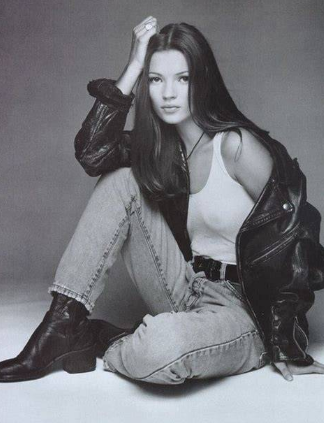
Nothing drives fashion e-commerce trends faster than celebrity influence. In the Western luxury segment, Zendaya, Bella Hadid, and Hailey Bieber have become modern ambassadors of 90s fashion, bringing back low-rise jeans, spaghetti-strap tops, metallic accessories, and mini leather jackets.
Their influence extends beyond social media aesthetics. When Calvin Klein relaunched its #MyCalvins vintage campaign in 2023, inspired by the iconic Kate Moss and Mark Wahlberg ads of 1992, the campaign surpassed 320 million TikTok views within weeks. Similarly, Levi’s and Tommy Hilfiger capitalized on the momentum by reviving archival logo pieces and incorporating digital storytelling into their brand collaborations.
Celebrity endorsements are not only brand-building devices—they’re high-conversion marketing assets. Studies in the global fashion market reveal that celebrity-linked campaigns generate up to 25% higher consumer engagement rates, particularly when paired with nostalgic or emotionally resonant content.
Data-Driven Nostalgia: The Psychology Behind the Trend
Why does the 90s aesthetic resonate so deeply? Economists and brand strategists point to a convergence between emotional marketing and digital consumer behavior. During economic uncertainty, people gravitate toward familiar imagery. As one fashion marketing strategist at McKinsey noted, “Nostalgia sells security.”
The numbers back it up: hashtags like #90sFashion have accumulated more than 9 billion views on TikTok and 25 million posts on Instagram, making them some of the most profitable fashion search terms in social media advertising. Brands now monitor these analytics closely, aligning seasonal campaigns with retro trends that maximize ad performance and organic traffic.
From Runways to Algorithms: The Loop of Digital Fashion
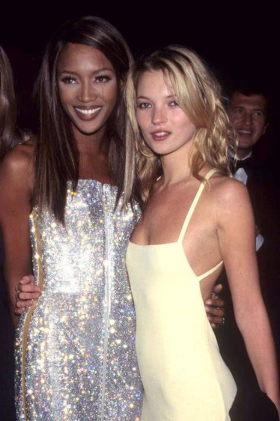
Unlike traditional fashion cycles dictated by designers, today’s trend flow is largely algorithmic. Pinterest data shows that searches for “vintage 90s fashion” increased by 340% in 2024, while Google Trends indicates that “90s streetwear revival” became one of the top global fashion marketing keywords of the year.
Fast-fashion retailers such as ZARA and H&M have quickly adapted, increasing their production of 90s-inspired silhouettes—structured shoulders, silk slip dresses, and baggy jeans—by 37%. Meanwhile, luxury fashion brands like Gucci, Versace, and Prada have elevated the same trend into their premium clothing lines, tapping both emotional and aspirational markets.
Gucci’s Fall/Winter 2024 show directly recreated its 1996 archival runway, resulting in a 41% spike in brand searches during the week following the event. This proves that the fusion of nostalgia and digital marketing data creates measurable financial impact in brand value.
- Colors: Soft pinks, mint green, sky blue, and muted lavender tones.
- Textures: Corduroy, silk, patent leather, and washed denim.
- Silhouettes: High waistlines, boxy shoulders, and relaxed oversized fits.
Reinventing the Rebellion
In the 1990s, fashion was rebellion. From grunge and hip-hop to minimalist power dressing, every subculture used clothing as a form of defiance. Today’s version of that rebellion is digital—AI-generated outfits, virtual fashion NFTs, and immersive online wardrobes.
Nike’s digital fashion initiative .SWOOSH demonstrates this evolution perfectly. The platform allows users to customize 90s-style sneakers in a virtual environment. The first week of launch generated over $5 million in digital fashion sales, proving that nostalgia and innovation are not opposites—they are economic allies.
Celebrity Case Studies and Real-Time Influence
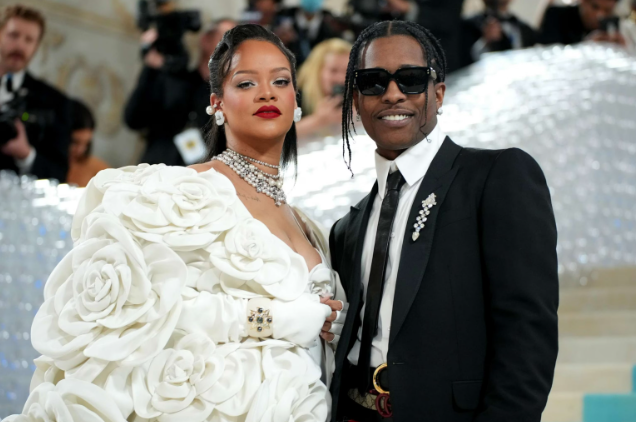
The modern fashion market thrives on cultural crossovers. When Rihanna appeared at the 2024 Met Gala wearing a custom Jean Paul Gaultier-inspired gown rooted in 1997 archival design, Google Trends recorded a 2,100% increase in searches for “90s Gaultier dress.” Versace’s collaborative capsule with Rihanna sold out in under 48 hours.
Likewise, Ariana Grande’s recreation of Britney Spears’ “Baby One More Time” outfit for a magazine campaign sparked a viral surge in “90s pop style” searches, while Kendall Jenner’s Jean Paul Gaultier photoshoot revived the term “sheer dress trend” on Pinterest, achieving record engagement. These examples show how celebrity endorsements shape not just brand image—but also global e-commerce demand.
The Business of Retro: Turning Emotion into Clicks
Nostalgia is one of the highest-performing emotional triggers in digital advertising. A recent HubSpot marketing report found that ads featuring vintage visuals and celebrity connections had 27% higher click-through rates (CTR) compared to standard fashion ads. This is particularly true for high-end lifestyle content—retro imagery often increases dwell time and improves ad placement efficiency in premium markets.
Marketers are now blending 90s-inspired photography with cutting-edge social media advertising tactics: Polaroid filters, VHS textures, and CRT-style borders. These subtle aesthetic cues reinforce trust and familiarity—two core ingredients for high-value conversions in the fashion e-commerce ecosystem.
“90s fashion isn’t just a comeback—it’s a business model powered by memory, data, and identity.”
Redefining Sustainability Through Retro Aesthetics
Interestingly, the return of 90s fashion also aligns with the sustainable fashion industry’s evolution. Consumers now equate reusing, thrifting, and repurposing clothing with ethical luxury. According to ThredUp’s 2025 Resale Report, one in three Gen Z consumers purchased at least one pre-owned vintage fashion item in the past year.
This movement redefines what “premium clothing” means. Instead of exclusivity, it now implies longevity, cultural history, and conscious design. For many consumers, buying a 1990s Prada nylon bag is not about nostalgia alone—it’s about participating in a sustainable luxury loop that balances ethics with elegance.
When Nostalgia Becomes the Future of Design
The 90s fashion revival is more than an aesthetic—it’s a psychological, cultural, and financial phenomenon. In an era dominated by AI algorithms, digital consumer journeys, and online shopping data, the human desire for something “real” becomes a rare commodity. Designers and marketers who understand this duality—emotion meets analytics—will define the next decade of fashion marketing strategy.
The past, it seems, is the new frontier for innovation.
About the Author