Part 1|When Haute Couture Meets Gravity
If fashion is a dream, then the runway is the dream’s front gate.
The lights ripple through the air like liquid, perfume mingles with bass vibrations, and the audience holds its breath. Models march with the precision of metronomes—heels clicking in time tighter than a heartbeat. Every turn feels mathematically calibrated.
In that moment, there’s no sweat, no gravity, no reality.
Only fabric, shine, and confidence.
Then—thud.
Dream over.
A muffled crash echoes through the venue. Not a beat drop, not artistic direction—just a $3,000 shoe sole betraying the laws of physics. The model goes down, the crowd gasps, and the photographers in row five hesitate for one sacred second before unleashing a storm of shutters.
And that’s when it hits us: even “perfection” can slip.
Fashion has never lacked surprises—though sometimes, the surprise comes courtesy of gravity.
From Paris to Milan, New York to London, not a single couture show has ever been fully gravity-proof. The most glamorous runway can turn into an Olympic obstacle course in a heartbeat.
Remember Vivienne Westwood’s Fall/Winter 1993 show? Naomi Campbell—yes, the Naomi, the panther of fashion—stepped out in a pair of outrageous blue platform shoes, the kind that look like they were designed after an argument. Halfway down the runway, the inevitable happened: heel twisted, model toppled, and history was made.
Naomi fell—gracefully, gloriously—and then laughed.
Not the professional “I meant to do that” smile, but the real, “well, that happened” kind of laugh.
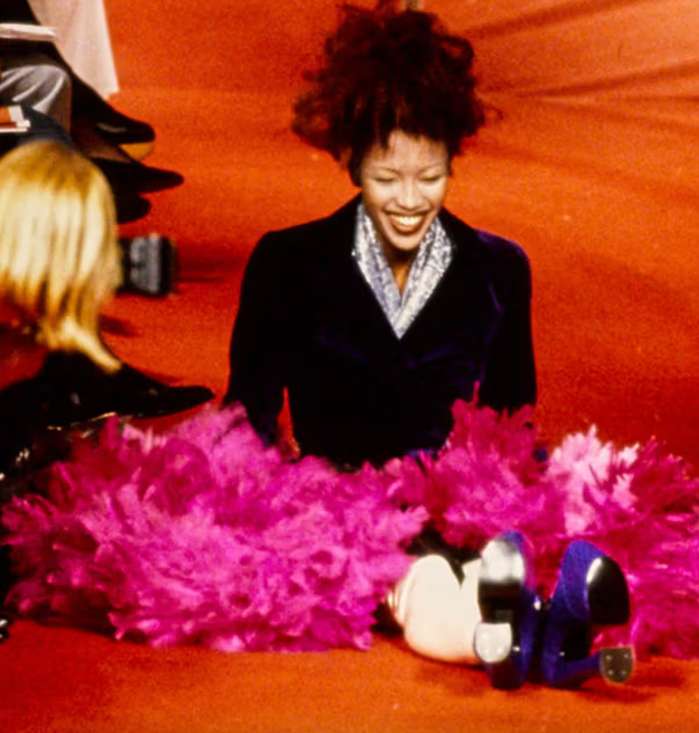
And that laugh saved everything. It salvaged Westwood’s dignity, created a whole new genre—The Art of Falling Gracefully—and gave the entire industry a collective therapy session. That clip has since been replayed, remixed, and memed a thousand times over. The shoes now sit in a museum; the laugh lives rent-free in every fashion lover’s heart.
Because in that laugh, we saw it—the paradox of fashion. It’s forever chasing a kind of superhuman elegance, yet it’s our human clumsiness that makes it beautiful. Every tumble is the universe whispering, “Honey, you still have weight.”
Meanwhile backstage, the designer’s probably on the verge of tears. Those shoes took three months to sketch, eight fittings, and three liability waivers—only to become a physics experiment in under thirty seconds.
The assistant rushes in to help; PR drafts the statement: “She’s fine. She was just lying down… artistically.”
The audience claps—awkwardly, but sincerely. Not for the clothes, but for that sacred model instinct: get up and keep walking.
Because in fashion, “pretending everything’s fine” is practically part of the dress code. You can fall, but don’t you dare break character. You can crack a heel—but smile like you just booked a Chanel campaign.
The truth is, these runway “disasters” aren’t exceptions—they’re the essence of fashion.
A show is an experiment in control, and humans are famously terrible at control. You can command the lights, tempo, and soundtrack—but not that one 0.5mm wrinkle on the carpet.
Maybe that’s why we love these moments. They remind us that models are human too—they slip, sweat, giggle backstage, and sometimes just lose it. In a world of retouching, filters, and perfection rehearsed to death, these little collapses are the last bits of honesty left.
When Naomi hit the floor that year, Vivienne Westwood reportedly said,
“Real fashion isn’t about control—it’s about grace in chaos.”
That line ended up in textbooks, printed on T-shirts… though no one likes to mention it was inspired by a faceplant.
So welcome to this article—
A grand feast of fashion fails, a runway archive scored by laughter and gasps.
Because more than flawless struts, we want to see:
When haute couture meets gravity, just how gracefully can humanity fall?
Part 2|The Goddess Who Fell and the Prince Who Lost His Way: The Golden Age of Runway Disasters
If the 1990s were fashion’s Olympus, then beneath that shining mountain lay a graveyard of broken high heels. It was a time before Photoshop and post-production miracles—when everything happened live, under hot lights and sheer panic. The runway was a temple, but it was also a trap. Models strutted in shoes that defied gravity and headpieces that mocked cervical stability, walking down paths paved with both metaphor and mortal peril. And the audience? They lived for that one, glorious moment when perfection collapsed.
The most iconic “sacrifice” of that era was, of course, Naomi Campbell. It was 1993, Vivienne Westwood’s haute couture show. Naomi wore a pair of blue platform shoes—the kind that looked like someone stacked three phone books under each foot. Then, it happened: a slip, a twist, and a graceful, slow-motion tumble straight into fashion history. She laughed—oh, that laugh—a mix of irony, charm, and pure goddess-level confidence. Before the audience could even inhale, she got up and finished her walk. That laugh became immortal. Decades later, people still call it the most elegant fall in fashion history.
Those infamous shoes now sit safely in a museum, while Naomi reigns as the Goddess of the Fall. Vivienne Westwood later said that moment made her realize “fashion isn’t just about structure—it’s about the art of accidents.” And she was right. In that stumble, the mask of perfection cracked. For the first time, the audience saw it: even gods fall. And that tiny human crack? It was far more beautiful than perfection ever could be.
Around the same time, Kate Moss had her own “oops” moment—only hers was more existential crisis than physical fall. At a Maison Margiela show, the stage was made of glass, plastic, and too much avant-garde lighting. The runway practically disappeared. When the lights shifted, Kate lost her sense of direction completely. She kept walking, pretending everything was intentional—except she nearly walked off the stage. The crowd thought it was performance art; photographers went berserk. Later, she admitted: “I had no idea where I was going. I just hoped it looked deliberate.”
That was the ‘90s in a nutshell: as long as you didn’t break character, disaster could always pass for art.
Back then, runways were full of things that made no sense from a human-body standpoint. John Galliano sent models in floor-length gowns down marble stairs. Alexander McQueen covered his runway with glass shards and puddles. Chanel put models on a carousel, while Dior strapped them into corsets tight enough to make angels faint. The audience saw fantasy and perfection; backstage, there were oxygen tanks and paramedics on standby. Every “flawless” walk was secretly a battle for survival.
If Naomi’s fall was an accident, the whole decade was a beautifully organized disaster. It was the era of the supermodel, when women weren’t seen as human but as divine avatars of chic. Fashion sold the illusion that perfection was real, that grace was eternal, that humans could, in fact, cheat gravity. But the universe had a wicked sense of humor. The floor, as it turns out, was still tile—smooth, shiny, and merciless. Each stumble, each wrong step, was a tiny act of rebellion against the illusion. No matter how haute your couture, you still had feet.
And the audience? They didn’t just forgive these slip-ups—they adored them. This was before the age of YouTube and algorithmic outrage, but fashion magazines already knew the power of spectacle. Naomi’s tumble made the cover of every major publication. Kate’s lost-walk was hailed as “a poetic moment of disorientation.” When a model’s wig flew off mid-walk at a Gaultier show, Vogue called it “an avant-garde expression of emotional void.” Critics used the most intellectual words to describe the simplest human error. Falling wasn’t failure—it was performance art with extra gravity.
All of this glorious chaos made the 1990s the golden age of runway disasters. The fashion world still had danger in its bloodstream—no PR teams smoothing the edges, no brand managers sanitizing reality. Shoes really did snap. Dresses really did trap legs. Models actually fainted. Backstage, designers smoked, assistants cried, and someone always shouted, “Just keep the music going!” And somehow, miraculously, the show always went on. That kind of beautiful chaos is something today’s digital fashion world will never recapture.
Maybe that’s why those moments still live on. Because every fall, every missed step, every slip of a goddess reminded us:
Real style isn’t about never falling—it’s about getting up and laughing like you meant to.
Part 3|From Perfect Illusion to Digital Immortality: The Age of No Accidents
Funny thing is — the moment nobody falls on the runway anymore, nobody laughs either.
As fashion stepped into the 21st century, it was as if the industry suddenly woke from a glittering fever dream. Runway mishaps stopped being romantic and started being labeled as “brand crises.” From then on, perfection turned into a collective obsession, and control became the new religion. Every “accident” was to be preemptively exorcised by the PR department. Models’ routes were laser-marked, shoes were test-driven ten times, and some poor intern was assigned to dry every step with wet wipes. It was an age that finally conquered gravity — and lost a bit of soul in the process.
The warning signs came early, in the 2000s Paris shows. The fashion world had just met the Internet, and the runway was no longer a private stage for a few hundred guests — it was a global live broadcast. Cameras meant exposure, and exposure meant that mistakes were eternal. Designers began to fear the word “oops.” Backstage became a war zone. You could see ten assistants checking one model’s shoe screws, another spraying her legs, someone else shining a flashlight on the stairs. The runway transformed from a dreamscape into a laboratory — everything precisely engineered, nothing left to chance.
Of course, machines are more reliable than humans. But fashion has always been a theater of humanity.
When you remove the human from risk, the audience loses the thrill of surprise. The old shows were adventures: you never knew if a model might cramp in her heels, if a gust would flip a skirt, or if a headpiece might stage a coup. Now? Every step is rehearsed, every camera angle pre-planned, every beat of music synced with military precision. The result is divine order — and divine boredom.
Look at today’s mega-shows — Dior, Balenciaga, you name it. The visuals are cinematic, the lighting operatic, and the models move like obedient statues. Backstage chaos has been replaced by tablets, air purifiers, and real-time monitoring. Every model gets an itinerary, emergency protocol, and three rehearsed versions of her smile. Mistakes aren’t just forbidden — they’re unimaginable.
But here’s fashion’s eternal paradox: its beauty has always lived in imbalance.
That fragile, almost-dangerous edge — the beauty of almost falling — is something no algorithm can reproduce. Naomi’s tumble, Kate’s lost walk, the Gaultier wig fiasco — what made them magical wasn’t absurdity, but authenticity. They pierced fashion’s glossy illusion for just a second, showing the beating heart underneath. When the last real mistake vanished, fashion started looking like an overfiltered selfie — smooth, flawless, and utterly lifeless.
Then came YouTube. The mid-2000s changed everything. Suddenly, a wrong turn on the runway wasn’t just an inside joke — it was a global meme. PR teams began to fear laughter itself. Brands decided they’d rather use robotic arms and CGI avatars than risk half a second of chaos. Balmain, Burberry, even Chanel turned their rehearsals into military drills. Every camera angle, every lighting cue, every hair flip was run through simulation software. The runway ceased to be a stage of surprises; it became an algorithmic performance.
And so, as human error disappeared, so did human excitement.
Fashion shows of the past were like Roman arenas — dangerous, intoxicating, alive. Today’s are more like VR dreams: flawless, high-resolution, and completely detached. Designers still talk about “rebellion,” “imperfection,” “breaking boundaries” — yet their shows can’t tolerate a single loose thread. The more fashion chases “authenticity,” the further it drifts from it.
Some say models have become “too well-behaved.” The truth? They simply have no room to err. Modern training goes beyond posture and pacing — it includes “how to fake composure when your heel breaks.” Every show has backup shoes, zippers, even substitute models on standby. If something fails, the director taps a tablet, and the screen cues a flawless contingency scene. Fashion has become an improvised performance with a script.
And the audience? We’ve been retrained too.
After years of algorithmic conditioning, we no longer crave surprise — only perfection. Viewers don’t wait for accidents; they wait for perfect shots. When fashion becomes a retouched fantasy, we lose our emotional entry point. Back in Naomi’s day, a fall drew laughter, applause, empathy. Now, even if someone does trip, the footage gets cut before it hits the feed. Imperfection is treated like a scandal, not a signature of humanity.
The irony? Once real accidents vanished, brands started faking them. Balenciaga, Vetements, Rick Owens — all began staging choreographed chaos. Models pretend to fall, shoes “break,” sets “collapse.” It’s rebellion by design, chaos by permission — freedom inside a safety net. It’s like a reality show where even spontaneity has a production budget. These “scripted accidents” feel colder than actual perfection.
Real runway disasters have become luxury items — relics of a time when fashion still breathed.
People don’t miss the ‘90s for the platform shoes or the shoulder pads; they miss the truth. The moments when models hovered between human and divine. When fashion was live, unpredictable, and faintly dangerous — when laughter and fear shared the same beat.
Now, everything is digital. The model might not even exist. She lives in pixels, algorithms, and CGI light. Designers boast, “We used AI to perfect her walk,” photographers say, “We can make her stride smoother.” But anyone who truly understands fashion knows: smoothness is the texture of death. It kills the heartbeat. Fashion was never meant to be smooth — it was meant to make your pulse race.
In a way, mistakes are fashion’s soul.
A runway with no falls, no wrong turns, no flying wigs — is a runway without life. Like a concert with no missed notes, a dance with no improvisation, or a love with no surprises. Unpredictability is the point of art. And now, as we’ve coded chaos out of existence, we’ve deleted wonder along with it.
Maybe one day, AI will finally learn how to fall — and that will be the moment technology truly understands what it means to be human.
Part 4|Backstage Chaos and Human Dignity: From Chanel to Alexander McQueen’s Disaster Zones
If the front of the stage is a glossy myth, backstage is a dark, uncut documentary of survival. Before the lights even flicker on and the runway hums to life, the war has already begun: dressing rooms are trench-like, the floor littered with bobby pins, stockings, tape, and crushed shoe boxes; makeup tables groan under the weight of foundation, setting sprays, lipsticks, and eyeshadow palettes, gleaming like tiny warning lights: No mistakes allowed.
One of the most legendary backstage catastrophes occurred at the Chanel Spring/Summer 1994 show. Karl Lagerfeld sat there, cool behind dark sunglasses, smoke curling around him, yet unable to calm the tension in the air. The last model’s zipper jammed, her silk gown caught in the teeth, the fabric soft enough to tear with a sneeze. Assistants’ hands collided in a frantic choreography — scissors, pliers, needles flying. “Hurry! She’s going on stage!” someone yelled. Another muttered, “Don’t ruin the dress!” The model gritted her teeth, endured the pinch, and seconds later was pushed toward the runway. The zipper half-closed, held with clear tape, her smile dazzling but every muscle taut, every shoulder trembling under the stress. The audience saw only a goddess emerging from the curtain.
In contrast, Alexander McQueen’s backstage often resembled an apocalypse. At the 1999 “No.13” show, models in tight white gowns navigated a mechanical spray paint zone. Assistants frantically patched gowns at the last second, scissors and needles flashing in a deadly rhythm. The models could barely breathe, yet each step had to be perfect. Music thundered, robotic arms whirred, paint rained down. The audience witnessed glamour and mystery, but backstage it was a trial of body and mind: assistants whispering instructions, makeup artists dashing to touch up, McQueen staring at monitors with the thrill of a scientist observing a human experiment.
John Galliano’s backstage operated more like a symphonic drama. At the 2004 Dior Fall/Winter show, models wore heavy furs and feathered headpieces while backstage felt like a sauna. Each outfit change took less than five minutes, and the crew — makeup artists, stylists, assistants, photographers — moved with breathless precision. Broken heels, dislodged crowns, jammed zippers: all routine. Someone cried, someone screamed, someone swiped a wet wipe across a slippery floor. On one particularly chaotic finale, the last model’s feathered crown nearly fell apart; Galliano simply grinned and said, “Let her walk like that.” To the audience, feathers floated gracefully with each step. Behind the scenes? Sweat, panic, and fear.
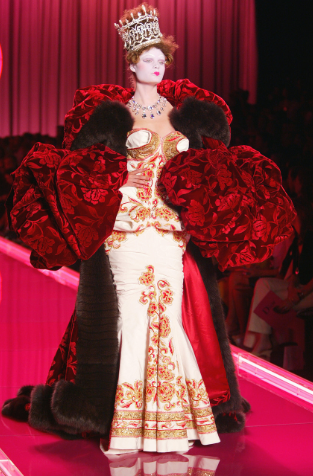
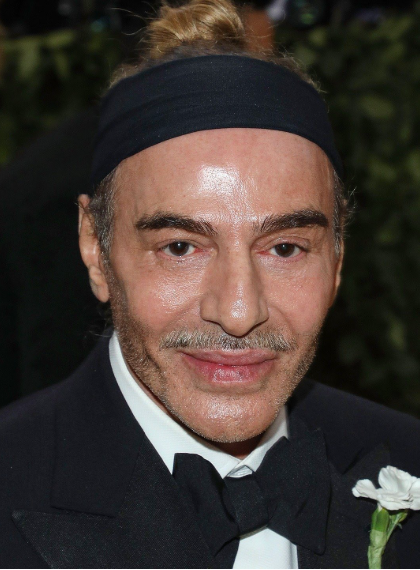
Backstage chaos is not just a physical battle — it’s a struggle for psychology and dignity. Models maintain smiles under extreme conditions, shoulders squared, steps poised; stylists and assistants operate with hearts racing and nerves taut; directors and designers’ eyes act as judges, ready to declare success or failure. Every stuck zipper, snapped heel, or misaligned garment tests everyone’s problem-solving skills. There are no awards for these backstage heroes, yet their efforts transform disorder into poetry on the runway.
Sometimes, the chaos reaches theatrical extremes. Balenciaga once had models walk across a wet mirrored runway; heels sunk into puddles while assistants shouted, “Watch out!” Waterlogged skirts slapped the floor like an accidental water ballet. Gaultier experienced wig mishaps, with models clutching toppled hairpieces while sprinting onto the stage, makeup artists touching up in real-time, photographers capturing the mix of shock and composure. Every micro-expression carried the weight of a night of tension.
Backstage chaos reminds us: fashion is never a static painting — it is dynamic art born of tension, fear, and creativity. Every flawless appearance masks assistants sweating, makeup artists’ hands trembling, models gritting teeth. True dignity isn’t the applause at the front of the house; it’s the ingenuity, speed, and endurance behind the scenes that safeguard beauty.
In haute couture, elegance is never accidental — it is born of chaos. Its beauty doesn’t float above reality; it is pieced together with sweat, tape, needles, and threatening heels, a miracle forged through human will and a confident smile. It’s because of these hidden currents that the light and shadow on the runway feel alive, visceral, and breathtaking. The audience thinks they’re witnessing effortless grace — in truth, they’re glimpsing human dignity and creativity tested at their limits. Backstage chaos is fashion at its most real, most brutal, and most electrifying.
Part 5|The Most Absurd Shows: Water, Fire, Ice, and Rebellious Animals
Just when you thought haute couture shows were all sparkling lights and perfectly synchronized model walks, remember this: the real drama happens outside the rules. Some 21st-century high-fashion shows don’t just test balance, endurance, and reflexes—they’re absurd survival games: slippery water stages, jets of fire, ice traps, and sometimes even animals staging their own rebellion. If you weren’t there in person, you’ll never fully grasp the chaotic beauty lurking beneath the glamour.
Take the 2005 Alexander McQueen show, a perfect fusion of extremity and poetry. He created a runway that looked like a glacier, with models in heavy feathered coats and towering heels stepping onto a transparent plastic “ice.” Lights shimmered like the Northern Lights, and the audience held its breath. But the ice wasn’t exactly stable. Every step was a delicate gamble—heels slipped out of grooves, models grabbed colleagues or the runway edge, yet their expressions remained regal, the embodiment of an “Ice Queen.” Backstage, assistants whispered prayers and even laid wet cloths underfoot to prevent slips. This anxiety-meets-beauty tension was McQueen backstage in a nutshell.
Then there was Dior Fall/Winter 2008, featuring what could only be called “The Flood Adventure.” Galliano built a massive transparent water pool on the runway, and models had to traverse it on tiny planks. The first few nailed it, and the audience applauded in awe. But one tall model slipped, her skirt soaked in seconds, water splashing into champagne glasses at the front row. Photographers froze the moment—her desperate balance was more thrilling than any studio shot. Backstage erupted: towels flew, makeup artists checked for water-damaged face paint, and costume assistants tried to keep wet fabric visually intact. Every movement was a rescue mission in motion.
Water wasn’t the only danger. Fire often made cameos. In a 2009 Vivienne Westwood show, tiny flame jets lined the runway edges. Models wore delicate long dresses on sky-high heels, stepping past eruptions of heat. One model’s hem nearly caught fire; backstage assistants swung extinguishers frantically while she continued walking as if nothing happened. The audience assumed it was part of the spectacle. The resulting photos, dresses flickering against the flames, became heart-pounding visual memories—the line between beauty and danger erased.
Ice and fire weren’t extreme enough—then came animals. At the 2011 Jean Paul Gaultier show, the theme was “tropical jungle.” Parrots and miniature monkeys roamed the runway. Models in sequined dresses and headpieces faced flying birds and mischievous monkeys tugging at skirts or decorations. Screams and laughter mingled as photographers captured every unexpected moment. Models had to maintain poise, micro-adjusting steps and expressions to handle their unruly co-stars. The absurdity became part of the performance, making each walk utterly unique.
Balenciaga also toyed with chaos via wind effects. Models stood atop high platforms while fans whipped long skirts into flowing arcs. Some had to hold skirts down to avoid lifting off the runway; heels nearly flew with gusts. Photographers caught the dynamic interplay of fabric and light, sculptural and perfect, while backstage assistants wielded clips, adjusted shoes, and handed hairpins like tactical operatives. The contrast between front-stage elegance and backstage pandemonium amplified every shot with life.
Sometimes, designers deliberately manufacture risk. Unstable steps, wobbly surfaces, even skate-board-like ramps forced models to negotiate physics at every turn. Designers became directors, assistants and models became actors in a couture adventure play. Every near-disaster elevated the final elegance: the audience had no idea how perilous that “effortless” step really was.
The most absurd shows are those that make uncertainty the performance itself. Water, fire, ice, animals, wind, machinery—all these elements demanded backstage teams wrestle with time, bodies, fabrics, and emergencies. Models had to keep smiles, eyes, and steps flawless, while assistants and makeup artists acted like battlefield medics, saving gowns, wigs, and heels on the fly. The audience saw light and motion, oblivious to the chaos behind the curtain.
It’s precisely this absurdity that makes these shows unforgettable. They aren’t mere performances—they are extreme experiments in aesthetics, physics, endurance, and human creativity. The audience is stunned by beauty; the models and teams defend dignity amid danger and disorder. Every seemingly effortless step hides a negotiation with elements, accidents, and mishaps. Water splashes, flames lick hems, wind lifts skirts, animals rebel—every second could change success into failure. That uncertainty is what makes haute couture both absurd and breathtakingly alive.
In the end, real fashion magic isn’t in the lights or fabrics—it’s in absurdity itself. When humans maintain dignity amid chaos, the elegance on stage becomes priceless. Every perfect walk is a mosaic of backstage miracles; every drop of sweat, every breath, every near-miss is an invisible conductor shaping the most heart-stopping rhythm of the couture world.
Part 6|Runway Disasters in the Social Media Era: When the Whole World Is Watching Live
In the age of social media, haute couture shows aren’t just performances on stage or survival games backstage—they’re global live broadcasts. Every slip, every broken heel, every gust of wind lifting a skirt is instantly captured, uploaded, commented on, and shared. The once-hidden chuckles and whispered panic backstage are now amplified to infinity. Live streaming turns every second of disaster into a microscopic spectacle, multiplying tension and embarrassment tenfold.
Picture a major Paris show. Lights dazzle, music pounds, models stride down the glittering runway, heels clicking as if signing a contract with gravity itself. But the audience isn’t just seated VIPs or photographers—it’s thousands online, watching via Instagram, TikTok, and YouTube. Every subtle move could go viral, instantly becoming the next meme. Models know: if they slip, they’re not just hitting the floor—they’re hitting every comment feed in the world.
At one Dior Fall/Winter show, a model stepped onto a transparent runway and slipped, skirt drenched. The front row gasped—but online, social media had already exploded: “OMG she fell!” “These heels are insane!” “Check out that skirt!” Hot takes, GIFs, and memes spread faster than anyone backstage could react. The model had to recalibrate instantly: maintain a flawless smile, steady stride, perfect posture, even controlled breathing—while her heart raced like it was trying to jump out of her chest. Backstage assistants gestured frantically, handed shoes, checked hair, all while knowing each second could be immortalized online.
The digital audience adds another layer of pressure. Comments feel like invisible winds on a model’s shoulders: some critique heel design, some mock makeup, some praise bravery and poise. Models no longer walk just for the stage—they walk under the scrutiny of global judgment. Every flicker of tension in their eyes, a twitch in their fingers, a tight smile is magnified under social media’s microscope.
Take 2019 Balenciaga, almost a live disaster broadcast. Models crossed tilted platforms with gusting fans lifting skirts and headpieces. Some nearly fell. Simultaneously, live comments erupted: “Ah! She’s going down!” “OMG the dress!” “Is this even real?” Each mishap accompanied by an instant wave of digital reaction. Backstage, assistants scrambled to adjust outfits, photographers captured heart-stopping moments, and the model’s only thought: Don’t fall, the whole world is watching. Walking became a high-wire act—elegance and tension fused.
Social media disasters extend beyond models to designers and brands. A “creative surprise” can instantly become a global joke. One brand staged models walking on water; the first slip turned the runway into a wet mess and the internet into a meme factory. PR scrambled: “It’s artistic vision!” But online, sarcasm flooded the feeds. Every designer frown or finger tap in the wings was immortalized, recycled, and critiqued globally.
Accidents now ferment again online. Videos are slowed, looped, GIF-ed, overlaid with sound effects and snarky captions. A single stumble can be replayed thousands of times, shared as meme after meme. What the audience sees isn’t the runway—it’s the disaster amplified, absurd and merciless. The psychological toll is enormous: every slip is not just physical, but a potential digital scar forever etched online.
The double-edged sword of commentary is brutal. Whereas Naomi Campbell could fall gracefully and laugh it off, today’s models must adjust instantly: projecting poise while knowing the whole world is watching—some in awe, some mocking, some maliciously scrutinizing body and movement. Digital spectators extend backstage chaos into a psychological runway. Walking isn’t just about steps—it’s a battle of mind and nerve.
Backstage teams are crucial in the social media era. They predict possible accidents, prepare spare shoes, backup outfits, props, and intervene in milliseconds if a model wobbles. They monitor live feeds, ready to correct what the camera captures. Any oversight can go viral. “Backstage chaos” becomes global entertainment.
In this era, runway disasters are a triple threat: physical missteps, visual exposure, and relentless online commentary. Models, assistants, photographers, and designers operate under extreme pressure. The audience’s gaze is no longer just in-person—it’s a tidal wave of live streams, comments, and likes, crashing onto the stage. Every thrilling moment is digitally immortalized.
Ultimately, digital-era runway disasters are more intense than any live tumble. They are a visual spectacle and a psychological gauntlet. Every elegant step balances gravity, complex stage structures, and global attention. Every show is a high-stakes dance between reality, performance, and the digital world.
In this age, an accident is never just a slip or a falling skirt—it’s a live, global, unfiltered experience. Every eye on the planet is on that runway, and every move must negotiate artistry, elegance, and social-media scrutiny. Live streaming makes every moment of chaos transparent, magnifies every heartbeat, and transforms runway disasters into the most absurd, adrenaline-charged live events haute couture has ever seen.
Part 7|A Retrospective of the Most Iconic Fashion Show Fails
If you think haute couture shows are just about flashing lights, perfume, and flawless strides, history has another story to tell—true legends are often accompanied by hilarity, embarrassment, and sheer danger. Every model strutting the runway is not just an artistic vessel, but also a participant in the history of fashion show mishaps. Today, we won’t focus on perfection; we focus on the fails. Ready? Step into the archives of fashion disasters for a full visual and psychological thrill.
1. Naomi Campbell’s Legendary “Somersault Fall” (1993, Vivienne Westwood)
We have to start with this unrepeatable classic. A young Naomi Campbell stepped onto the Vivienne Westwood runway in sky-high blue platform heels, walking gracefully yet dangerously. The lights shone on her as she glided forward like a goddess—then gravity delivered a loud reminder.
She slipped, fell, and hit her knee, her fingers tracing elegant arcs on the floor as if performing a brand-new dance. Seconds later, Naomi lifted her head and smiled. Photographers captured the moment, and the world remembered not the fall itself, but her composure afterward. This “somersault” later became countless GIFs circulating globally, cementing its place as one of haute couture’s most enduring fail moments.
2. Dior’s Water Stage Scare (2008, Galliano)
Galliano loved grand gestures. This time, he designed a massive transparent water pool stage, requiring models to walk across wooden planks. The first few went smoothly, water splashing elegantly like a classical painting. But when a tall model stepped forward, her shoe slipped into the water, soaking her dress instantly.
Screams and camera shutters erupted simultaneously, and social media exploded with comments: “OMG she fell!” “Haute couture turned water park!” She had to use extreme balance to finish her walk, her smile a signal of elegance forcibly extracted from her racing heart. Backstage assistants acted like lifeguards, handing towels and adjusting garments, while photographers captured the tense moment. The scene became a viral video sensation, both amusing and thrilling audiences.
3. Alexander McQueen’s Glacier Disaster (1999, No.13 Collection)
McQueen’s backstage often resembled an apocalypse—models wore heavy feathered coats and walked on plastic ice surfaces. Every step felt like walking on thin ice. A slip required a quick save by a fellow model, yet her gaze remained cold and queenly. Mechanical arms sprayed paint, stage lights flickered like the Northern Lights, and assistants whispered instructions for tiny adjustments. The audience saw a visual feast but had no idea that every drop of sweat represented a battle against the laws of physics.
4. Vivienne Westwood’s Fire Challenge
Westwood once added small flame jets along the runway. Models wearing light, flowing dresses walked past, with flames shooting from the edges. A single skirt brushed dangerously close, and assistants waved extinguishers while the model had to maintain her stride and expression. Viewers saw the swaying dresses bathed in firelight, but had no sense of the tense backstage environment. Every flicker of flame and micro-step could become a disaster—elegance required precise control over fear itself.
5. Jean Paul Gaultier’s Animal Rebellion
Gaultier’s jungle-themed show featured models with feathered headpieces and sequined dresses, accompanied by parrots and tiny monkeys on stage. Birds landed on shoulders, monkeys tugged at skirts. Models had to stay graceful while reacting to unpredictable animals. Photographers captured surprised expressions, and audiences laughed. Backstage assistants acted as jungle warriors, ready to intervene at a moment’s notice. The animals’ rebellion turned the runway into a surreal survival game, with every model performing extreme athleticism in real time.
6. Balenciaga’s Windstorm Show
Balenciaga turned fans to maximum power, creating fierce winds across elevated platforms. Dresses whipped wildly, heels threatened to lift off the floor. Models held skirts or adjusted shoes, their gestures appearing effortless but under extreme tension. Audiences saw flowing, dynamic movement; backstage, assistants continuously adjusted garments, handed shoes, and fixed hairpieces. Every step felt like walking a high-wire act in midair.
7. Fashion Fails in the Social Media Era
With social media, every mishap is no longer just a runway incident but global live content. Slips, soaked dresses, broken heels instantly become GIFs, memes, short videos, and reaction clips, permanently etched online. Models now walk not only for the stage, but for millions of eyes, comments, and likes. Backstage teams act as a digital-age rescue squad, ready to adjust, fix, and reassure. Pressure doubles, and every mistake triggers real-time audience reactions, trending topics, and viral moments.
This retrospective of iconic fashion fails shows us that the most memorable haute couture moments are not the flawless strides, but the smiles after a fall, the drenched skirts, the balance amid flames and storms, and the composure in the face of animal chaos. Each disaster is a fusion of stagecraft and reality; each fail is a test of human dignity, courage, and creativity pushed to the extreme.
Part 8|Behind the Scenes Heroes: Assistants, Stylists, and Invisible Miracles
If the models on the runway are the “heroes” of the stage, then the assistants, stylists, and makeup artists backstage are the unsung heroes of haute couture. Their work goes unseen, without applause or spotlight, yet the flawless execution of every show depends entirely on their precision amidst chaos. Imagine this: the lights are still dim, the runway shrouded in silence, but backstage the atmosphere is already charged like a battlefield. The dressing rooms resemble war zones, assistants darting like gusts of wind, hands clutching needles, tape, insoles, spare dresses, and heels. Every tiny adjustment is a miniature miracle.
At Chanel’s Spring/Summer 1994 show, Karl Lagerfeld sat calmly backstage, eyes serene, yet tension filled the air. The last model’s zipper jammed, the silk gown so delicate it could tear at the slightest touch. Assistants reached in, wielding clips, pliers, and threads, quietly calling out time as they worked to solve the problem. The model gritted her teeth against pain and, seconds later, was pushed toward the runway entrance—a puzzle silently completed by the team behind her. Photographers captured only the perfect appearance; no one saw the trembling hands and sweat of that fleeting moment.
Alexander McQueen’s backstage often resembled a laboratory. During the 1999 “No.13” show, models walked on icy plastic surfaces. A slip required immediate support from a fellow model, while mechanical spray arms whirred nearby. Assistants had to adjust skirts, fix headpieces, and secure heels in an instant. Every movement was a duel against both physics and time. McQueen watched nervously yet exhilarated from the monitor, knowing that every second onstage reflected the team’s patience and skill.
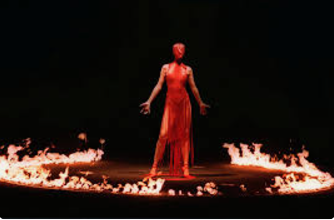
An assistant’s work is not just physical—it’s psychological warfare. At Galliano’s Dior shows, temperatures backstage reached near-sauna levels, models clad in heavy furs and feathered headdresses. Each quick-change cycle lasted less than five minutes, with makeup artists, stylists, and assistants orchestrating a high-speed symphony. Broken heels, toppled headpieces, and jammed zippers were routine. Some cried, some screamed, some wiped shoe soles frantically. The assistants’ hands moved with uncanny calm, every adjustment akin to performing intricate surgery. Onstage, models smiled and audiences applauded, yet no one saw the heartbeat and blood, the invisible labor of the team.
In the social media era, pressure on assistants has only intensified. Every accident might be livestreamed, broadcast globally. Slips, soaked dresses, broken heels become GIFs, short clips, and reaction memes. Assistants must operate seamlessly, both in front of and behind the camera—ensuring the model’s safety while considering camera angles, audience sightlines, and flawless live presentation. Every gesture, every whispered cue, is a race against time and digital scrutiny.
At Jean Paul Gaultier’s jungle-themed shows, assistants contend not only with the runway itself but with animal chaos. Parrots and tiny monkeys can interfere at any moment. Assistants act as vigilant jungle warriors, intervening only when necessary, ensuring models maintain balance without disturbing the visual composition. Every adjustment is a subtle art of equilibrium, safeguarding both safety and aesthetics.
Balenciaga’s wind-powered shows similarly test assistants’ precision. With fans blasting, models walk on elevated platforms, and every gust threatens to lift skirts or dislodge heels. Assistants must swiftly secure garments, hand shoes, and adjust hairstyles with near-invisible movements. The audience sees fluidity, motion, and grace; backstage, assistants battle natural forces, ensuring beauty remains undisturbed.
Makeup artists contribute equally to these invisible miracles. Any splash of water, reflective flame, sweat, or wind can ruin intricate makeup. They must perform rapid touch-ups, ensuring the camera captures perfection, not disaster. Each second counts, every brushstroke, powdering, and correction functioning like delicate machinery.
In haute couture, every smile on the runway is the product of a backstage miracle. Each model walking smoothly after a slip, each skirt maintaining perfect shape, each headpiece staying secure—these are crafted by assistants, stylists, and makeup artists through sweat, skill, and psychological endurance. The elegance onstage is their silent magic.
Without them, water would flood the runway, flames would engulf dresses, wind would scatter every line, animals would disrupt order, and every slip would be magnified online. It is because of their presence that haute couture can remain poetic under the lights, astonishing and flawless even in the age of social media.
Backstage heroes are the arbiters of time, physics, and psychology, maintaining order at the limits. Audiences never see the sweat on an assistant’s hands, the anxious brow of a makeup artist, or the heartbeat a model suppresses for onstage poise. Yet these invisible efforts are what fill the world of haute couture with magic: each runway show is not just an artistic display, but an ultimate test of human dignity and creativity.
Part 9|The Psychological Game of Haute Couture: Models, Designers, and the Invisible Battle with the Audience
If the previous sections focused on visual and physical disasters, this part shifts the spotlight to the psychological battlefield. In haute couture shows, every step on the runway, every appearance, is a test of human mental limits—models versus designers, models versus audience, and models versus themselves. The elegance onstage hides a web of tension; every microexpression is a thread in an invisible psychological duel.
The mental pressure on models can be described as “all-encompassing and inescapable.” They must contend not only with physical risks—slips, falling hems, broken heels—but also maintain perfect expressions, posture, and stride in front of cameras. Audiences, photographers, live streams, and comment feeds amplify every movement. Every tiny mistake is captured, interpreted, and magnified by global eyes. Psychologists might call this a “continuous high-pressure exposure state,” and models must mask racing hearts with smiles and self-control.
Designers play a dual role as both directors and referees in this psychological game. Alexander McQueen, for example, would watch models stepping onto icy plastic surfaces backstage, eyes a mix of sternness and exhilaration. He knew models had to perform under extreme conditions—not just for the clothes, but for the integrity of the stage art. A single glance or gesture from the designer could prompt an immediate adjustment in stride or expression. Such psychological cues are often more effective and challenging than any physical threat.
The audience’s presence is the most invisible yet powerful factor in this mental chess. Front-row guests may be fashion critics with notebooks or cameras, while screens below broadcast the live stream globally. Every expectation, gasp, applause, or subtle smirk adds to the model’s pressure. In the age of social media, every comment, like, or critique is an unspoken mental assault—“Her hem is unstable,” “Those heels are too high,” “Expression too stiff”—testing the model’s psychological resilience in real time.
Take Dior’s 2008 water-stage incident: a model stepped into the water, her dress soaked. She had to instantly adjust her steps, keep smiling, all while thousands of live comments scrolled across the screen: “OMG she fell!” “Haute couture turns water park!” Every heartbeat was magnified. The towel or reminder from a backstage assistant acted as temporary psychological support. Her mental battle was not just with gravity, but with digital scrutiny and audience gaze, maintaining dignity under pressure.
The inclusion of fire, wind, ice, and animals elevated the psychological challenge. Models must remain composed in the face of uncontrollable elements, eyes steady like sculpted marble. On McQueen’s ice-runway shows, each slip became a tug-of-war with gravity; the model’s gaze and smile served as shields—against the audience, the designer, and herself. In Gaultier’s animal-themed shows, parrots or monkeys could disrupt the runway at any moment; the model’s ability to self-regulate mentally determined whether she could complete each step successfully.
In the social media era, this psychological duel extends to the backstage team. Assistants, makeup artists, and stylists must resolve physical challenges while stabilizing the model’s mental state. A makeup artist might whisper reassurance during a touch-up; an assistant might quietly say, “You’re doing great, just one more step” while adjusting a hem. A designer’s glance or gesture subtly applies both guidance and pressure. Every successful runway moment is a collective psychological triumph, not merely a display of stage presence.
Psychological warfare also permeates the rhythm and control of the performance itself. Music tempo, lighting shifts, camera movements—all can disrupt a model’s mental focus. A momentary pause, a slipping hem, or a gust of wind can trigger a chain reaction in the mind. Models must adjust breathing, steady heartbeats, and refine posture faster than the body reacts; mental agility often outweighs physical reflexes.
Designers, meanwhile, manipulate attention and emotion as part of the psychological game. They know where the model’s focus lies, how to use visual elements, lighting, and music to diffuse stress, guide steps, or conceal imperfections. A subtle cue can rescue a model from peril; an offhand gesture can trigger cumulative pressure. Onstage elegance is often the final product of backstage psychological strategy.
The audience’s mental engagement is the most subtle yet lethal variable. Global eyes via screens, comment feeds, and live reactions act like invisible currents, continuously testing the model’s defenses. Every smile, every balancing act, silently responds to their expectations. Onstage pressure and backstage operations intertwine into high-stakes art: graceful yet resilient, composed yet flawless.
The climax of this psychological battle often coincides with the most absurd accidents—splashes of water, encroaching flames, gusting wind, animal interruptions, broken heels. Each crisis is a mental touchstone: can the model maintain composure and stride? Can the assistants intervene in time? Can the designer sustain control amid chaos? Will the audience marvel at the final performance rather than fixate on the mishap? The answer often comes in mere seconds, yet those seconds define the success of the entire show.
Ultimately, the psychological game of haute couture shows us that elegance onstage is not just about steps, lighting, or fabric—it is the art of mental mastery under extreme pressure. Models, designers, assistants, makeup artists, and audiences all participate silently in this war of the mind. Grace is never accidental; it is the product of crises, pressure, audience scrutiny, social media commentary, and human ingenuity. Behind every disaster or runway mishap, the invisible psychological battle is the true arbiter of success.
Preface & Conclusion|A Panorama of Haute Couture Runway Mishaps
Welcome to the other side of haute couture shows—here, there is no glamorous red carpet, no sparkling crystal chandeliers, and no applause or champagne bubbles from the audience. What you witness are the raw, unfiltered moments: slips, soaked hems, flames, windstorms, animal disruptions, and icy-runway thrills. What you hear are the urgent whispers of assistants, the rapid swipes of makeup brushes, and the heartbeat of a model echoing like a drum.
From Naomi Campbell’s 1993 airborne tumble, to Dior’s watery stage, Alexander McQueen’s icy spectacles, Vivienne Westwood’s fire displays, Jean Paul Gaultier’s animal chaos, and Balenciaga’s wind-swept walks, each runway mishap is like a miniature disaster exhibition in haute couture history. What they share isn’t the glamour of the clothing, but the human spirit wrestling with extreme conditions.
A runway “fail” is more than an accident—it is a byproduct of performance art. A smile after a fall, a drenched dress, the moment wind and fire collide, the calm response to a sudden animal intrusion—all are collisions between stage and reality, a triple contest of body, mind, and team coordination. Backstage assistants, makeup artists, stylists, and even the designers themselves operate in invisible tension every second: repairing tears, handing shoes, fixing headpieces, soothing the model’s nerves—transforming what could be a disaster into onstage elegance.
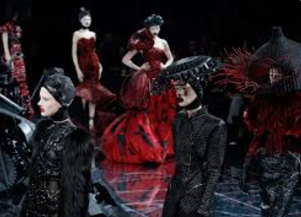
Gettyimages
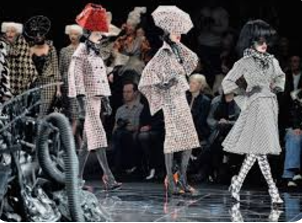
Gettyimages
In the social media era, each mishap is amplified endlessly. Comment streams, viral short videos, looping GIFs—global audiences participate in this feast of visuals, psychology, and humor. Every glance, every smile, every step is scrutinized by the world. Haute couture has become not only stage art but a crucible of psychological warfare, public pressure, and human courage.
We can laugh at Naomi’s tumbling GIF, hold our breath at every McQueen icy-step, and admire the precision of assistants managing fire, wind, or rogue animals. Runway mishaps reveal haute couture’s true face—absurdity behind perfection, and the remarkable collision of art and humanity.
From the front row to backstage, from historical classics to social media livestreams, every accident delivers the same message: haute couture is not only the pinnacle of design and visual artistry but also a testament to human intelligence, courage, and psychological resilience. A slip, a drenched hem, a broken heel—these are not merely comic moments; they are authentic tests of dignity, skill, and teamwork.
So the next time you see a model wobble slightly in heels or a hem flutter in the wind, don’t just see the absurdity or humor. Think of the unseen hands working backstage, the faces holding smiles under pressure, and the moments where danger and elegance coexist perfectly. Each mishap is a miniature epic of heroism.
Ultimately, this panoramic look at haute couture runway mishaps teaches a new way to view perfection: it may never truly exist, but amidst disasters and mistakes, humans can still create miracles. Slips become elegance, chaos transforms into art, and absurdity turns into humor. This is the true allure of haute couture—the legendary story written collectively by every model, assistant, makeup artist, and designer.
After reading this, you may see haute couture not only as a visual spectacle but as a remarkable journey of absurdity, danger, humor, and psychological strategy. Runway mishaps are the truest language of haute couture, and perhaps, its most entertaining art.
About the Author