The next time you want to order takeout or purchase food and drinks, you may want to put it on hold temporarily. The results of a major new study may be enough to shock you and prompt you to adjust your consumption habits, as they reveal that a large amount of plastic waste is related to takeaway food worldwide.
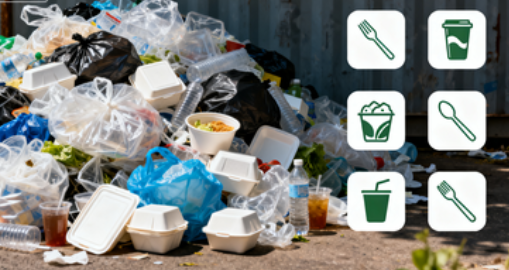
This study from the University of Cadiz in Spain, published in the journal Nature Sustainability, analyzed 12 million pieces of garbage collected from oceans and rivers, coastlines, seabeds, and open waters. Researchers have found that 80% of items are plastic products, and nearly half (44%) are related to takeaway food and beverages – specifically, disposable bags, plastic bottles, food containers, and food packaging. Other items include plastic lids and disposable tableware
Dr. Carmen Morales, the main research author, told the BBC: “It is shocking that bags, bottles, food containers and utensils, as well as packaging paper, account for almost half of the world’s man-made goods. ”Another issue noticed by researchers is the disposal of synthetic fishing nets and ropes, especially in the open sea, rather than along or near the coastline.
Based on analysis, researchers have proposed three suggestions: 1) Replace takeaway food and beverage containers with more biodegradable materials; 2) Introduce a ban on avoidable plastics; 3) Use a deposit refund plan to incentivize reusable/reusable products.
However, before that day arrives, as consumers, we must change the way we choose products to avoid unnecessary plastic packaging – and now is the best time to launch the “Plastic Free Month” campaign.
If you haven’t heard of it yet, ‘Plastic Free Month’ is an annual one month challenge aimed at reducing the use of disposable plastics and finding alternative solutions for purchasing, consuming, and transporting food (and other items). Considering this new research, here are some practical suggestions to help reduce disposable plastics related to food delivery in daily life.
1.Cooking at home
The simplest way to eliminate plastic food delivery waste is to cook from scratch. When you spend time preparing your own food and then eat it at home or transport it in reusable containers, you will find it easy to make zero waste meals. Of course, this requires spending time preparing food in advance, but it also brings additional benefits such as cost savings and overall health.
2.Purchase high-quality containers
Invest in high-quality stainless steel and/or glass food storage containers. These are of great significance when storing and carrying homemade food, as the more convenient it is, the more willing you are to do so. Glass allows you to see what’s inside the refrigerator; Stainless steel allows you to easily freeze the contents, sometimes even heating them directly on the stove. You don’t have to worry about acidic foods breaking down plastics and causing chemical substances to seep out. Purchase insulated containers to hold hot or cold drinks, soups, curries, salads, etc. Store salad dressing and other sauces in glass Mason jars.
3.Advance notice
If delivery is unavoidable, it is recommended to call the restaurant instead of placing an order online. There are two main questions to ask: Firstly, will they allow you to bring your own container? You may need to arrive in advance and hand over the container for water filling.
Secondly, what are takeaway containers made of? If the answer is foamed plastic or other plastic forms, it mildly indicates that you are looking for a more environmentally friendly choice, and you must choose another place before the enterprise changes the container choice. There are many high-quality paper options available now, so there is no reason for food delivery shops to continue using non biodegradable packaging.
4.Carry zero waste food bags
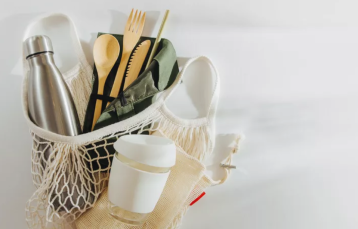
Everyone should have a zero waste food bag that can be conveniently placed in the trunk of their car, backpack, or bicycle. The set should include some basic items related to food – tableware, cloth bags and napkins, water bottles, coffee cups, metal straws, food storage containers, etc. These tools can help you reject some or all of the disposable plastic items you encounter in your daily life.
5.Refuse bottled beverages
Those refrigerators filled with chilled sweet drinks are very tempting on hot summer days, but from a pollution perspective, it’s best to avoid using them. Instead of exacerbating the huge problem of plastic bottles invading waterways, it is better to develop the habit of filling reusable water bottles before going out every day. Keeping warm can keep your drink cool and refreshing for several hours.
6.Carefully choose packaging
Food packaging paper is one of the top four main reasons for takeaway related waste, so it is worth paying attention to the packaging methods of takeaway food (and groceries). Try to choose paper packaging instead of plastic packaging. Plastic packaging is not recyclable because they are thin films and have little value to recyclers – even if your store has plastic film recycling bins, it is likely a scam,
7.No more shopping bags
Promise to refuse all disposable shopping bags. Prepare sturdy, washable cloth bags or trash cans for your car, and bring them into the store or restaurant every time you shop or pick up a meal. If you forget to put your shopping bag in the cart, put it back in the cart and pack it back in the cart – or loosen up the bag and retrieve it when you go home.
These efforts may seem insignificant on their own, but if they come together and are embraced by people around the world, they have the potential to bring about real change. More importantly, taking these measures will convey a moment of change to business owners, politicians, and policy makers – legislation to reduce plastic waste should reflect research findings, rather than focusing on arbitrary items that are not the majority of plastic waste (such as headphones, stirrers, and straws).
About the Author